TL;DR:
A German Shepherd’s bad smell can come from a specific source, such as the coat, ears, mouth, paws, or digestion. Some odor is normal after rain, swimming, or outdoor time, especially with a thick double coat. The bigger concern is odor that is strong, unusual, or keeps returning after grooming. The most helpful step is narrowing down where the smell is strongest, then using simple routines like brushing, thorough drying, and cleaning bedding and gear. If odor comes with itching, discharge, pain, or repeated head shaking, it is time to call the vet.
German Shepherds are generally clean, well-kept dogs, so a strong odor can catch you off guard. At first, you might assume they rolled in something outside or simply needed a bath. But when the smell keeps returning, especially after grooming, it usually means the cause is more than surface dirt.
If you have been wondering, why does my German Shepherd smell so bad? The answer is often straightforward. Most odors come from a specific source, such as the skin, ears, mouth, paws, or digestion. Instead of guessing, it helps to narrow down where the smell is strongest and whether it is happening once or becoming a pattern.
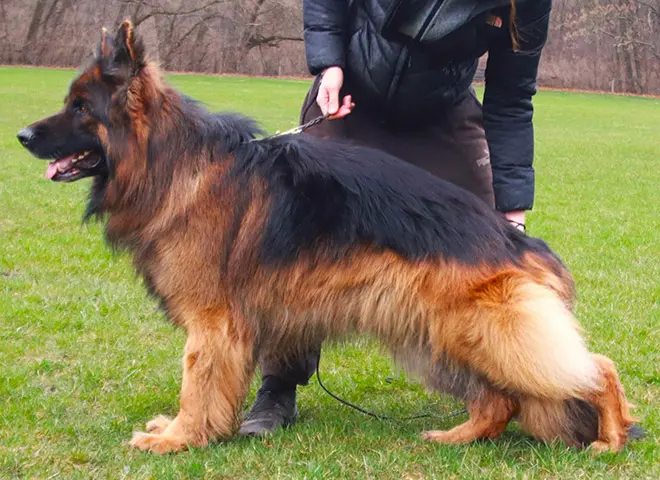 When A German Shepherd Smell Is Normal VS A Sign Something Is Off
Every dog has a natural scent. Even a clean, well-groomed German Shepherd will smell like a dog, especially after time outside, exercise, rain, or swimming. Their thick double coat can trap moisture and natural oils, so a stronger smell after activity is usually normal and temporary.
The concern is when the odor becomes strong, unusual, or keeps returning. If your dog smells bad even when dry and freshly bathed, or if the smell comes with itching, redness, or discomfort, something may be off. In those cases, the odor is usually a clue that the skin, ears, or digestion needs attention.
Where Your GSD’s Smell Is Coming From & What It Usually Means?
When you are trying to solve an odor, the fastest way to get answers is to narrow down the source. Many owners assume the whole dog smells bad, but odor usually starts in one specific area and spreads from there. A quick check can save you time and help you avoid unnecessary bathing or guesswork.
Skin & Coat
Coat odor is one of the most common causes. A lingering wet-dog smell, a sour scent, or a greasy feel often means moisture or oil is trapped in the undercoat. German Shepherds have dense fur, and if it is not dried thoroughly after baths or rain, odor can build quickly. Persistent smell can also point to skin irritation or yeast imbalance, especially if itching is present.
Ears
Healthy ears should not have a strong smell. A sour or yeasty odor usually suggests buildup or irritation, even if there is no visible discharge. If the smell keeps returning or you notice head shaking and scratching, the ears may need more than routine cleaning.
Mouth & Breath
Strong, rotten, or unusually sharp breath is often linked to dental buildup. Plaque and tartar trap bacteria, which create an odor that bathing will not fix. If the gums look red or the teeth look heavily coated, the mouth may be the source.
Paws & Feet
Paws collect moisture and bacteria between the toes, especially after outdoor time. A mild “corn chip” smell can be normal, but a stronger odor paired with frequent licking may signal irritation or yeast. If the coat seems clean but the smell remains, check your GSD’s feet.
Diet & Digestion
Some odors start internally. Food sensitivities and digestive imbalance can affect a dog’s skin oils, gas, and overall body scent. A sudden fishy smell can also be related to anal gland issues. If grooming does not improve the odor, diet and digestion are worth considering.
Most odor problems become easier to solve once you know where they start. When you identify the source first, you can focus on the right routine instead of guessing.
Practical Steps That Reduce Odor In German Shepherds
Once you know what is causing the smell, the next step is choosing the right solution. Not every odor requires a bath, and the fix depends on where the problem starts.
Brush Regularly To Remove Trapped Undercoat
German Shepherds have a dense double coat that holds moisture and loose hair close to the skin. Regular brushing removes that trapped layer and improves airflow through the coat. When the undercoat builds up, odor lingers even after bathing. Consistent brushing helps prevent that buildup before it becomes a problem.
Bathe Thoughtfully & Dry Completely
Bathing can help, but it’s not the only solution. Instead of just washing every time your dog smells, focus on proper drying after baths, rain, or swimming. The undercoat must be fully dry, not just the top layer. Damp fur is one of the most common reasons odor returns quickly.
Refresh Bedding, Collars, & Grooming Tools
Sometimes the smell is not coming from your dog at all. Bedding, collars, harnesses, and crate pads absorb oils and moisture, then transfer that odor back onto the coat. Washing these items regularly helps prevent odor from returning right after grooming.
Grooming tools can also hold buildup. Brushes and combs collect loose hair, skin flakes, and oil over time. Cleaning them as part of your routine keeps you from reintroducing odor each time you groom.
Keep Ears & Paws Dry After Outdoor Time
Moisture is one of the most common triggers for odor. After rain, swimming, or damp walks, take a moment to dry the ears and the spaces between the toes. Even if the coat feels dry on top, hidden moisture can linger underneath.
Making drying part of your normal routine reduces the chance of yeast and bacterial buildup. A few extra minutes after outdoor time can prevent odor from developing later.
Address The Real Source When It Is Not The Coat
If the smell is coming from your German Shepherd’s mouth, coat care will not fix it. Dental care often makes the biggest difference. If the odor is coming from the ears, repeated home cleaning may not solve it. In those cases, professional evaluation may be the best step.
Simple routines work best when they are consistent. When brushing, drying, and basic hygiene are part of your regular schedule, recurring odor becomes much less likely.
When It’s Time To Go Ahead & Call The Vet?
Some odor problems do not improve with brushing or bathing. If the smell returns quickly or seems stronger than usual, it may signal irritation or infection that needs medical attention.
Consider calling your vet if your German Shepherd smells bad and you notice:
- Persistent itching, redness, or skin irritation.
- Hair loss or scaly patches.
- Strong ear odor, discharge, or repeated head shaking.
- Thick discharge around the eyes or ears.
- Breath odor paired with drooling or appetite changes.
- Sudden fishy odor that keeps returning.
- Any odor paired with behavior changes or signs of discomfort.
Odor alone is not always urgent, but an unpleasant smell that repeats or appears with other symptoms should not be ignored. Early treatment is usually simpler than waiting for the issue to worsen.
How Mittelwest German Shepherds Supports GSD Owners
If you are asking, why does my German Shepherd smell so bad? The cause usually comes from one specific area, not a mystery. The easiest way to manage odor long-term is by having strong routines and knowing what is normal for your dog.
At Mittelwest German Shepherds in Wonder Lake, Illinois, owners receive clear guidance on coat care, hygiene routines, and what normal development looks like through shedding cycles and seasonal changes. When you understand what is typical for your dog, it becomes easier to catch issues early and prevent odor from becoming a recurring problem.

Julie Martinez is a German Shepherd breeder and the owner of Mittelwest German Shepherds in Wonder Lake, Illinois. She breeds German Shepherd Dogs under the “vom Mittelwest” kennel name and is listed as a breeder on the AKC Marketplace. Through her breeding program, Julie focuses on German-bred bloodlines and works with owners who value structure, temperament, and real-world working ability. She is also involved in local working-dog training through the Wonder Lake Schutzhund Club, where Mittelwest supports hands-on development such as tracking and club training.