TL;DR:
German Shepherd fur sheds year-round, and seasonal shedding can look intense without being a problem. However, hair loss becomes concerning when you see bald spots, patchy thinning, fur that does not regrow, or skin changes like redness, odor, scabs, or heavy itching. Common causes of these include allergies, skin infections, parasites, stress-related licking, poor nutrition, and medical conditions. The most helpful first step is spotting the pattern and location. If hair loss spreads or the skin looks irritated, it may be time to call the vet.
German Shepherds are known for their thick coats, heavy shedding, and dense undercoat. So when you start seeing visible thinning or bald patches, it can feel alarming. You may wonder if it is seasonal shedding, stress, or something more serious.
When it comes to German Shepherd fur, shedding is normal. However, continuous hair loss may be a cause for concern. If your dog looks like they are losing too much fur, the good news is that most causes are common and treatable. The key is understanding what normal shedding looks like, what true hair loss looks like, and when it is time to get help.
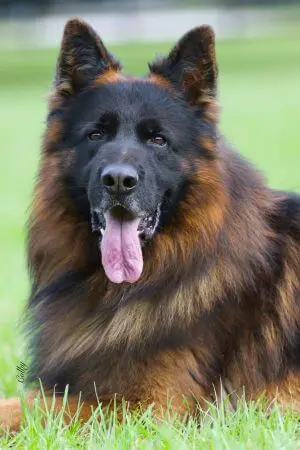 Normal Shedding VS True Hair Loss In German Shepherds
German Shepherds shed year-round, and that is part of living with the breed. You will likely see fur on floors, furniture, and clothing, even with regular brushing. During seasonal coat changes, shedding becomes heavier and may look dramatic, especially when the undercoat starts coming out.
Normal shedding usually looks like loose fur that comes out evenly across the body. Your dog may look fluffier, lighter, or uneven in texture for a short time, but the coat still covers the skin. You may also notice tufts of undercoat coming out when you brush, and that is expected.
True hair loss is different. It can show up as thinning in specific areas, bald spots, or patches where the skin becomes visible. Sometimes the fur breaks off, leaving rough areas or uneven coat coverage. When the coat no longer looks dense, or the skin is showing through, it is worth taking a closer look.
What German Shepherd Fur Should Look Like When Healthy
A healthy German Shepherd coat should look full and evenly distributed. The fur should cover the skin without thin areas, and the undercoat should feel dense when you run your hand through it. Even during shedding seasons, the coat should still look like it belongs on a German Shepherd.
Healthy fur also has a certain feel. It may not be silky, but it should not feel brittle or dry. Some oil is normal, but the coat should not feel greasy or smell strong. A balanced coat usually has a clean look and a natural shine in good lighting.
The skin under the fur should also look calm. You should not see redness, scabbing, thick flakes, or raw areas. If you are noticing irritation along with thinning, the issue is likely more than shedding.
When Hair Loss In A German Shepherd Is A Red Flag
Heavy shedding can look dramatic, but it usually does not leave clear bald spots. True hair loss becomes more concerning when the coat no longer covers the skin evenly or when fur does not grow back as expected. The location, pattern, and accompanying symptoms often tell you whether it is normal shedding or something more serious.
| Signs | What It Could Mean |
| Bald spots or visible skin in one area | Not typical shedding. Often linked to irritation, infection, or medical issues. |
| Thinning on the ears, tail, belly, legs, or neck | Common early areas for allergies, parasites, or skin imbalance. |
| Hair loss along the back or hips | Sometimes associated with hormonal or chronic skin conditions. |
| Fur coming out in clumps. | More than seasonal shedding. May signal inflammation or stress on the coat. |
| Redness, scabs, flaking, or odor | Active skin irritation that needs attention. |
| Hair not regrowing after several weeks | Possible underlying medical or nutritional issue. |
Hair loss becomes a true red flag when it spreads, pairs with discomfort, or fails to improve. Even without itching, thinning that stays in one place or worsens over time is usually worth checking with your vet.
What Are Common Causes Of Hair Loss In German Shepherds?
Hair loss usually has a reason. The cause can be external, such as parasites or infection, or internal, such as allergies or hormone imbalance. The pattern of hair loss often helps narrow it down.
Allergies (Food, Seasonal, Environmental)
Allergies are one of the most common reasons German Shepherds develop coat problems. Seasonal allergies can cause itching, licking, and skin irritation that leads to thinning. Food sensitivities can also affect the skin and coat, often through chronic inflammation.
Allergy-related hair loss typically shows up along the belly, paws, face, and ears. You may notice redness, licking, and recurring skin irritation. Some dogs also develop repeated ear issues alongside coat changes.
Hot Spots, Yeast, & Skin Infections
Hot spots are irritated areas that develop quickly, often from licking or scratching. They can become raw, moist, and painful. Fur usually falls out around the area, and the skin may look inflamed.
Yeast and bacterial infections can also cause hair loss, especially when the skin becomes oily or smelly. These infections can come with itching and a sour odor. Hair loss may appear patchy and may worsen if the underlying irritation continues.
Fleas, Mites, & Parasites
Parasites can cause hair loss even if you do not see them right away. Fleas can trigger intense itching and lead to thinning, especially near the base of the tail and along the back. Mites can also cause patchy hair loss. Some mite-related conditions cause scaly skin and thinning around the face, ears, and legs.
Overgrooming, Stress, & Compulsive Licking
Some dogs lick and chew their coat when stressed, bored, or uncomfortable. This can cause thinning, especially on the legs, paws, and belly. Even when the skin does not look severely irritated, repeated licking can break the fur and prevent regrowth.
Stress-related hair loss is often overlooked because the dog may appear calm. But changes in routine, new environments, and lack of stimulation can all contribute. When hair loss appears in areas your dog can reach easily, overgrooming is always worth considering.
Diet, Nutrition, & Coat Health
Your German Shepherd’s diet plays a major role in coat quality. A poor diet can lead to dry fur, dull texture, and increased shedding. Some dogs also experience coat thinning when they are not getting enough nutrients that support skin health.
Nutrition issues can also show up through flaking, itchiness, and poor coat regrowth. If the coat looks weak, breaks easily, or does not seem to recover after shedding season, diet may be part of the picture.
Hormonal Or Medical Conditions
Some medical conditions affect the coat from the inside out. Hormonal imbalance can lead to thinning, slow regrowth, and changes in coat texture. In some cases, dogs can lose large amounts of fur without intense itching.
A German Shepherd without fur is not normal, and severe coat loss can be linked to an underlying medical issue. If your dog’s fur is thinning across the body or not growing back, it is important to rule out medical causes.
What You Can Do At Home Before Your GSD’s Hair Loss Gets Worse
Before assuming the worst, focus on steady, practical steps. Small adjustments at home can prevent mild coat changes from turning into bigger problems.
Watch The Pattern Closely
Start by observing where the hair loss appears and whether it is spreading. Notice if your dog is scratching, licking, or chewing certain areas more than usual. Patterns often reveal whether the issue is irritation, stress, or something ongoing.
Brush Gently & Consistently
Regular brushing removes loose undercoat and helps you spot thinning early. It also improves airflow through the coat, which reduces trapped moisture. Remember to avoid aggressive brushing, since irritated skin can worsen with too much friction.
Bathe Carefully, Not Frequently
Overbathing can dry out the skin and increase irritation. If your dog is already losing fur, harsh shampoos or frequent baths may slow regrowth. Focus on balanced bathing rather than washing every time the coat looks uneven.
Keep The Coat Fully Dry
Moisture trapped in the undercoat can lead to irritation and odor. After swimming, rain, or bathing, make sure the fur is dry all the way through. Remember that even when the top layer feels dry, the undercoat may still hold dampness.
These steps will not solve every cause of hair loss, but they can prevent mild irritation from getting worse. If the coat does not improve or continues thinning despite consistent care, it is time to look deeper.
Building A Strong Foundation For Long-Term Coat Health
A healthy coat does not happen by accident. It starts with strong genetics, sound structure, and steady early development. Mittelwest German Shepherds in Wonder Lake, Illinois, places that foundation first, raising dogs with balanced temperaments and physical soundness that support long-term skin and coat health.
Our team offers owners clear guidance on brushing routines, shedding cycles, and what normal coat changes look like as a dog matures. If you have questions about coat health or are looking for a well-raised German Shepherd, reach out to us at Mittelwest German Shepherds to learn more.

Julie Martinez is a German Shepherd breeder and the owner of Mittelwest German Shepherds in Wonder Lake, Illinois. She breeds German Shepherd Dogs under the “vom Mittelwest” kennel name and is listed as a breeder on the AKC Marketplace. Through her breeding program, Julie focuses on German-bred bloodlines and works with owners who value structure, temperament, and real-world working ability. She is also involved in local working-dog training through the Wonder Lake Schutzhund Club, where Mittelwest supports hands-on development such as tracking and club training.