Overview:
If you are asking, “Why is my female German Shepherd so skinny?” the answer may be normal, especially if she is young, active, genetically lean, or still developing muscle. German Shepherds have an athletic outline, a visible waist, and an abdominal tuck in healthy condition. A lean appearance alone does not prove that a dog is underweight.
Concern rises when thinness comes with ongoing weight loss, prominent bones, muscle loss, poor appetite, diarrhea, vomiting, fatigue, or changes in thirst and urination. Judge her overall body condition and health rather than relying on one scale reading.
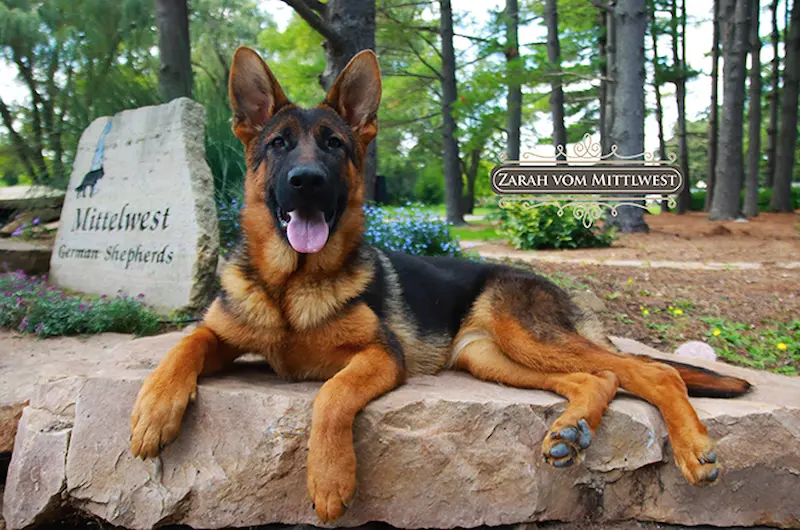
Is Your Female German Shepherd Lean Or Underweight?
Veterinarians use a body condition score, or BCS, to evaluate fat coverage and shape. On the common nine point scale, 4 or 5 is generally ideal. The ribs should be easy to feel beneath a light fat covering, the waist visible from above, and the abdomen tucked behind the rib cage.
A dog may be underweight when the ribs, spine, and pelvic bones are sharply visible with little covering. Muscle loss around the shoulders, back, hips, or thighs adds concern. A thick coat can hide these changes, so use your hands as well as your eyes.
The breed standard lists females at 22 to 24 inches at the shoulder and males at 24 to 26 inches. Females can have a lighter frame, but individual structure still varies. Compare your dog with her previous condition, parents, and growth history rather than with a larger male.
Normal Reasons Female German Shepherds Can Look Thin
Age, genetics, activity, and reproductive status can influence how lean a female appears. A stable weight, normal appetite, good energy, healthy stool, and steady muscle development provide reassuring context.
Adolescence Can Create A Tall, Narrow Appearance
Young German Shepherds may gain height before the chest, shoulders, and hindquarters fill out. An adolescent female can look leggy or narrow while eating an appropriate diet and growing normally. Track her condition over time instead of trying to create rapid weight gain during a temporary stage.
Genetics & Activity Shape Her Natural Build
Some bloodlines produce a more moderate or athletic frame. Parent structure, mature size, and family growth patterns offer better context than general weight charts.
A female involved in sports, running, hiking, or long training sessions may burn more energy than a less active dog. If intake does not match her workload, she may gradually lose fat and muscle.
Pregnancy & Nursing Increase Calorie Needs
Pregnancy and nursing increase nutritional demands. A nursing female may lose condition when milk production exceeds her intake. She should have a veterinarian guided feeding plan based on pregnancy stage, litter size, body condition, and milk production.
Common Health Causes Of Weight Loss In German Shepherds
A skinny female German Shepherd may be eating too little, but unexplained weight loss can also come from parasites, digestive disease, dental pain, infection, or metabolic illness. The correct response depends on the cause, so adding food without an evaluation may not solve the problem.
Parasites & Digestive Disease Can Reduce Nutrient Use
Intestinal parasites may cause weight loss, diarrhea, poor coat quality, anemia, or weakness. A fecal examination helps a veterinarian identify parasites and select treatment.
Digestive disorders can prevent nutrient absorption. Exocrine pancreatic insufficiency, or EPI, can cause weight loss despite a strong appetite and large amounts of loose stool. Diagnosis requires a blood test, and treatment commonly includes pancreatic enzymes and additional support based on the results.
Metabolic Disease Can Change Weight, Thirst, & Energy
Diabetes may cause weight loss with increased appetite, thirst, and urination. Kidney or liver disease can also cause weight loss, reduced appetite, vomiting, fatigue, or changes in drinking and urination. Bloodwork, urinalysis, fecal testing, imaging, or digestive testing may be needed to find the cause.
How To Check Her Body Condition At Home
Repeat the same check every two to four weeks so you can spot a trend. Examine her while she stands naturally on a level surface and take photos from above and from the side.
Feel The Ribs & Look For A Defined Waist
Run your fingertips over the rib cage without pressing hard. In healthy condition, each rib should be easy to feel beneath a thin layer of tissue. From above, the body should narrow behind the ribs. From the side, the abdomen should rise toward the hind legs.
A visible waist is expected in this athletic breed. Sharp ribs, a highly pronounced spine, obvious hip bones, or a severe abdominal tuck may indicate that she is too thin.
Check For Muscle Loss, Not Only Body Fat
Body condition estimates fat, while muscle condition looks at tissue over the spine, shoulder blades, skull, and pelvis. Watch for a weaker topline, hollow temples, reduced thigh size, or difficulty completing normal activity. Progressive muscle loss calls for veterinary attention.
When A Skinny German Shepherd Needs A Vet Visit
Schedule an examination when your dog continues losing weight, cannot maintain condition, eats less, or develops vomiting or diarrhea. Other warning signs include prominent bones, reduced energy, a dull coat, muscle loss, increased thirst, frequent urination, or changes in stool.
Sudden weight loss, weakness, repeated vomiting, bloody stool, collapse, or refusal to eat should receive prompt care. Bring a record of her food, portions, treats, supplements, medications, activity, bowel movements, symptoms, and recent weights.
How To Help Her Gain Weight Safely
Healthy weight gain starts with identifying why she is thin. After medical causes have been treated or ruled out, the plan may include more calories, a different diet, smaller frequent meals, parasite control, or condition specific treatment.
Record Food, Treats, Exercise, & Symptoms
Measure each meal and record the product, calories, treats, chews, table food, and training rewards. Note appetite, stool quality, vomiting, thirst, urination, and activity. Package feeding directions provide a starting point, but individual needs vary. WSAVA recommends using a complete diet history and body condition assessment when making nutritional decisions.
Adjust Calories Only After The Cause Is Clear
Increase food gradually and use a complete, balanced diet suited to her life stage. Recheck weight and body condition regularly. Avoid human weight gain products, large amounts of oil, or sudden high fat additions because they can upset digestion and delay proper treatment.
What Prospective Owners Should Ask A Breeder
Ask about the parents’ mature structure, growth patterns, health records, feeding routine, and expected adult size. A documented pedigree provides context for frame and development. Early nutrition, parasite prevention, and routine veterinary care also support healthy growth.
Buyers can review available German Shepherd puppies while discussing how each litter’s parentage may influence adult structure.
What Shapes Healthy Development In German Shepherds
A female German Shepherd should be evaluated by body condition, muscle, energy, appetite, health, and family growth patterns rather than appearance alone. Mittelwest German Shepherds in Wonder Lake, Illinois, can discuss available puppies, documented bloodlines, expected development, nutrition, temperament, and preparation for responsible ownership. Contact the team to discuss which puppy may fit your household.

Julie Martinez is a German Shepherd breeder and the owner of Mittelwest German Shepherds in Wonder Lake, Illinois. She breeds German Shepherd Dogs under the “vom Mittelwest” kennel name and is listed as a breeder on the AKC Marketplace. Through her breeding program, Julie focuses on German-bred bloodlines and works with owners who value structure, temperament, and real-world working ability. She is also involved in local working-dog training through the Wonder Lake Schutzhund Club, where Mittelwest supports hands-on development such as tracking and club training.