
TL;DR:
Long haired German Shepherd puppies and standard coat puppies belong to the same breed. They share the same basic structure, training needs, exercise requirements, and potential health concerns. The main difference is coat length and the grooming needed to keep it clean, dry, and free of tangles.
For most people, the decision comes down to appearance and maintenance. A long haired German Shepherd puppy may have a fuller mane, feathering around the ears and legs, and a bushier tail. A standard coat puppy has shorter guard hairs that lie closer to the body. Neither coat type automatically creates a healthier, calmer, larger, or longer lived dog.
Are Long Haired & Standard Coat Dogs The Same Breed?
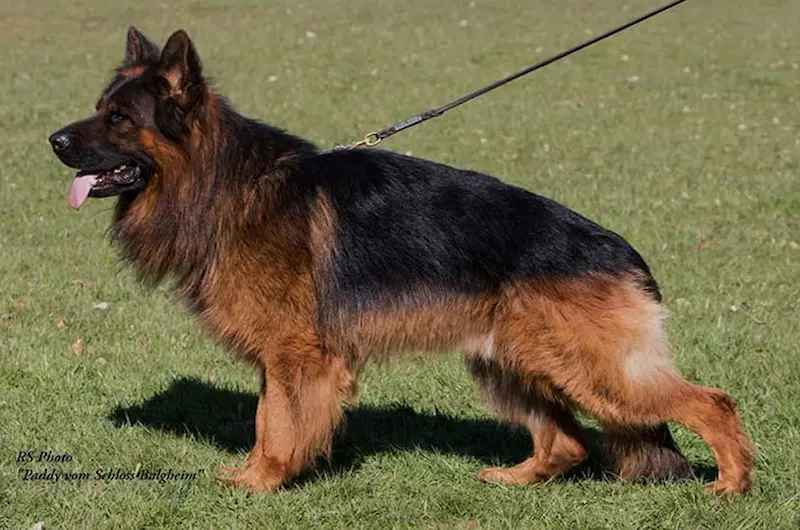
Yes. The Fédération Cynologique Internationale recognizes the German Shepherd in double coat and long double coat varieties, both with an undercoat. The standard coat has dense guard hair that lies close to the body. The long double coat has longer, softer guard hair, tufts around the ears and legs, fuller neck hair, and a bushier tail.
Coat length changes appearance, not breed identity. A puppy’s temperament, adult size, working drive, and health depend on broader genetics, parent traits, socialization, training, nutrition, and daily care.
The FGF5 Gene Influences Coat Length
Long hair in dogs is associated with recessive variants of the FGF5 gene. A long haired puppy generally inherits a long hair variant from each parent. Both parents do not need to look long haired because standard coated dogs can carry the recessive variant without showing it.
This is why long hair German Shepherd puppies can appear in a litter from two standard coated carriers. It also explains why longer coats may not appear in every litter.
Coat Length Does Not Predict Temperament Or Size
The FGF5 variants affect hair length. They do not reliably predict confidence, trainability, affection, energy, height, or weight. You should evaluate the parents, pedigree, health records, and each puppy’s behavior instead of choosing based on assumptions about coat type.
How The Two German Shepherd Coats Look Different
Coat differences become easier to see as puppies grow, although an experienced breeder may notice signs earlier. The final look can become clearer as the puppy coat changes into the adult coat.
Signs Of A Long Haired German Shepherd Puppy
A long haired German Shepherd puppy often has softer, wispier hair around the ears, cheeks, chest, and feet. The backs of the legs may look feathered, while the tail appears especially full. Mature long double coats may develop a mane like neck, ear tufts, fuller hair behind the thighs, and a feathered tail.
Mittelwest’s page about long coat German Shepherds shows mature examples and explains that longer coats do not appear in every litter.
Signs Of A Standard Coat German Shepherd
A standard coat, also called a stock coat, has guard hair that lies closer to the body. Hair is shorter on the head, front of the legs, paws, and toes, with somewhat more length around the neck and behind the legs. The outline looks less feathered than a long coat.
Some standard coated puppies still look plush because of a thick puppy coat or full undercoat. Early fluffiness does not always confirm that the adult dog will have a true long coat.
Grooming Is the Main Day To Day Difference
Both coat types shed and need regular brushing. Long haired German Shepherds usually require more time because longer hair tangles more easily, collects debris, and takes longer to dry.
Long Coats Need More Frequent Brushing
Brush a long haired German Shepherd several times per week. Daily brushing may help during heavy shedding or after outdoor activity. Long coats are especially prone to tangles around the ears, armpits, and backs of the legs.
A pin brush or slicker brush can work through the outer coat, while an undercoat rake removes loose hair underneath. Work in small sections and check close to the skin, where knots may hide. The correct grooming tools can remove debris and loose hair while helping owners notice cuts, sore areas, or skin changes.
Standard Coats Still Shed Heavily
A shorter coat does not mean a low shedding dog. German Shepherds shed throughout the year and often release more undercoat during seasonal changes. AKC grooming guidance recommends frequent brushing and careful use of tools that reach the undercoat.
Standard coats are usually quicker to brush and less likely to develop large tangles. Owners should still check behind the ears, around the tail, and through the hindquarters.
Long Coats Require Careful Drying
Long hair can hold moisture after bathing, swimming, rain, or snow. Dry the coat thoroughly around the ears, armpits, tail, belly, and inner legs. Dampness trapped under thick hair may contribute to odor, irritation, or moist skin sores.
Use towels first and a dog safe dryer when needed. Separate the hair while drying and check for redness, bumps, tenderness, odor, or discharge. Regular brushing and drying also make skin changes easier to notice.
Does Coat Type Change Health, Lifespan, Or Behavior?
Coat length alone does not determine health or life expectancy. Long haired and standard coat dogs share the same general breed related health concerns. Parent health, family history, structure, body condition, veterinary care, and responsible breeding decisions provide better information than hair length.
A long haired German Shepherd is not automatically calmer or better for families. A standard coated dog is not automatically more protective or easier to train. Temperament develops through inherited traits, early experiences, socialization, training, and the fit between the dog and the household.
Which Coat Offers Better Weather Protection?
Both FCI recognized varieties are double coats with an undercoat. The standard coat lies closer to the body, while the long double coat has softer, longer guard hair. Coat density varies between individual dogs, so length alone cannot show how well a puppy will handle heat, cold, rain, or snow.
Long hair can collect snow, mud, leaves, and burrs and may stay wet longer. Standard coats usually release debris and dry faster. Either dog needs shade, water, suitable exercise, and a dry indoor resting area.
Which German Shepherd Coat Fits Your Household?
Choose a long haired German Shepherd puppy if you prefer the fuller appearance and can commit to frequent brushing, careful drying, and routine checks for tangles or damp skin.
A standard coat may suit owners who want shorter grooming sessions and less risk of matting. It will still shed and require brushing, bathing, nail care, dental care, exercise, training, and veterinary visits.
Coat preference should follow health and temperament. Ask about the parents’ structure, health testing, adult coats, behavior, and the purpose of the pairing. Also ask how the puppies are handled and socialized before going home.
Finding The Right German Shepherd For Your Home
The right choice is the puppy whose health, temperament, energy, and expected development fit your household. Coat type should reflect your appearance preference and the grooming routine you can maintain for years.
Mittelwest German Shepherds can help you compare available German Shepherd puppies, understand expected coat development, and discuss which puppy may suit your family, activity level, and grooming routine.
Julie Martinez is a German Shepherd breeder and the owner of Mittelwest German Shepherds in Wonder Lake, Illinois. She breeds German Shepherd Dogs under the “vom Mittelwest” kennel name and is listed as a breeder on the AKC Marketplace. Through her breeding program, Julie focuses on German-bred bloodlines and works with owners who value structure, temperament, and real-world working ability. She is also involved in local working-dog training through the Wonder Lake Schutzhund Club, where Mittelwest supports hands-on development such as tracking and club training.