Mittelwest German Shepherd Blog
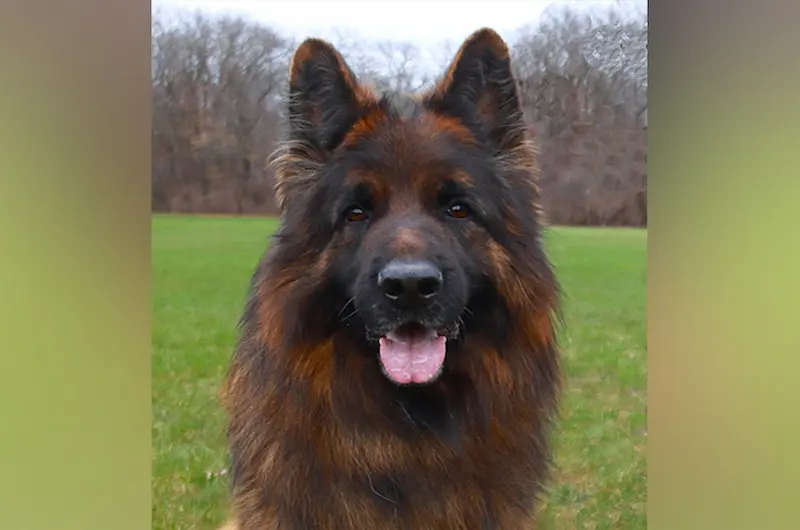
Bumps On A German Shepherd Nose: Causes & Care
Key Takeaways: A bump on a German Shepherd’s nose can have many causes. It may come from a scrape, insect bite, infection, skin condition, or abnormal growth. Some bumps are minor, while others need veterinary testing. The appearance of the bump may provide clues, but it cannot confirm the cause. A soft swelling that appears after outdoor play is different from a hard lump that keeps growing or a sore that repeatedly bleeds. Bumps can appear on the hairless surface of the nose, around the nostrils, along the bridge of the muzzle, or inside the nose. Owners should watch for … Continued
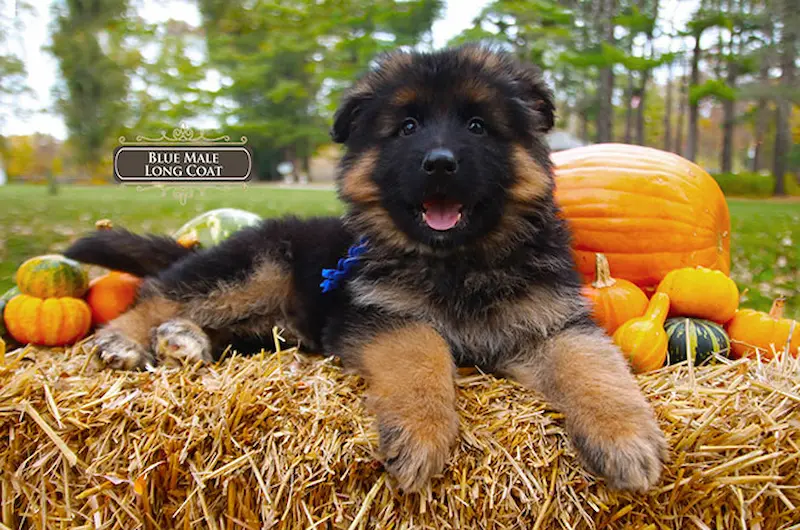
Do German Shepherd Puppies Have Big Paws?
Short Answer: Yes, German Shepherd puppies commonly have paws that look oversized compared with their bodies. This is especially noticeable during the first several months, when the legs and feet may appear to develop faster than the chest and muscle mass. Large looking German Shepherd paws are usually part of normal puppy growth. They reflect the proportions of a developing large breed dog, but they cannot accurately predict adult height or weight. Genetics, parent structure, sex, nutrition, health, and breeding line provide better clues. Why German Shepherd Puppy Paws Can Look So Oversized A young German Shepherd rarely grows in … Continued

How To Cut German Shepherd Nails Safely At Home
Summary: To cut German Shepherd nails safely, prepare the right tools, help your dog accept paw handling, and remove only a small amount at a time. You can stop after one paw. Ending while your dog is calm supports easier future trims. German Shepherds often have thick, dark nails that make the quick difficult to see. Good lighting, controlled cuts, and close attention to body language can reduce the risk of pain or bleeding. Ask a veterinarian or groomer to demonstrate the process if you feel uncertain. Why Proper Nail Length Supports Safe Movement & Traction German Shepherd nails affect … Continued
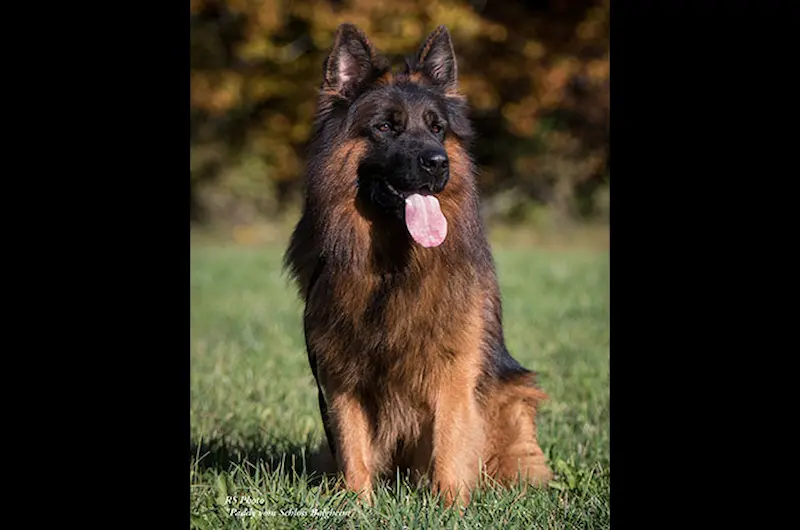
Long Haired Vs Standard Coat German Shepherds
TL;DR: Long haired German Shepherd puppies and standard coat puppies belong to the same breed. They share the same basic structure, training needs, exercise requirements, and potential health concerns. The main difference is coat length and the grooming needed to keep it clean, dry, and free of tangles. For most people, the decision comes down to appearance and maintenance. A long haired German Shepherd puppy may have a fuller mane, feathering around the ears and legs, and a bushier tail. A standard coat puppy has shorter guard hairs that lie closer to the body. Neither coat type automatically creates a … Continued
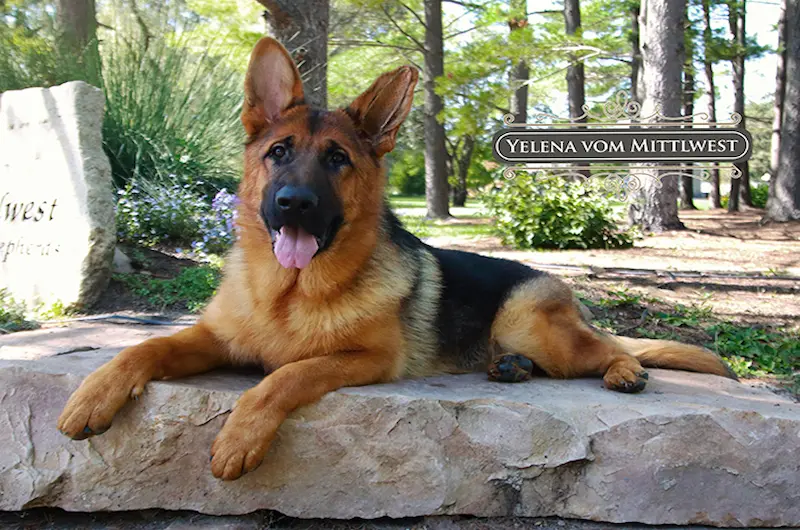
Why Is My Female German Shepherd So Skinny?
Overview: If you are asking, “Why is my female German Shepherd so skinny?” the answer may be normal, especially if she is young, active, genetically lean, or still developing muscle. German Shepherds have an athletic outline, a visible waist, and an abdominal tuck in healthy condition. A lean appearance alone does not prove that a dog is underweight. Concern rises when thinness comes with ongoing weight loss, prominent bones, muscle loss, poor appetite, diarrhea, vomiting, fatigue, or changes in thirst and urination. Judge her overall body condition and health rather than relying on one scale reading. Is Your Female German … Continued
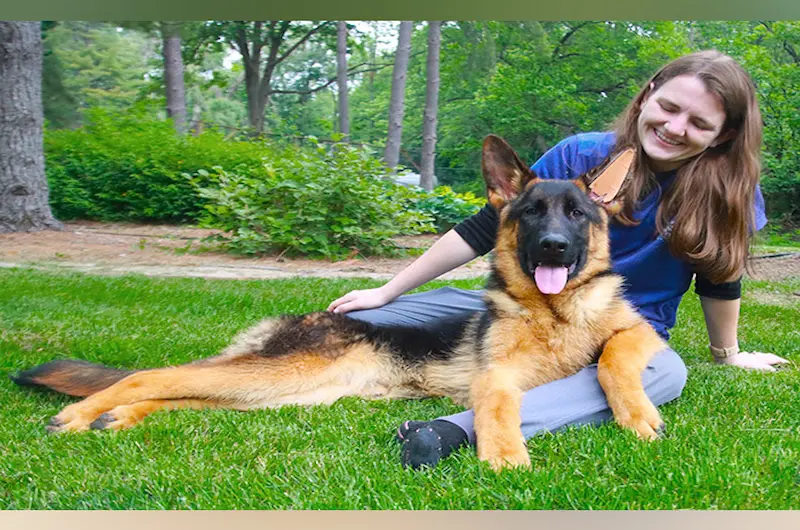
What Can I Give My German Shepherd For Itchy Skin?
Key Takeaways: Watching your German Shepherd scratch, bite, and lick at their skin without relief is genuinely hard. You want to do something about it right now, and ideally with something you already have at home. That instinct is understandable, but it is also where a lot of owners accidentally make things worse. Itching is a symptom, not a diagnosis. It can come from something as simple as dry skin or as serious as a parasite infestation, infection, or allergic reaction. That means the safest approach is to match your response to the severity of what you are seeing. Some … Continued
How Often Should A German Shepherd Be Professionally Groomed
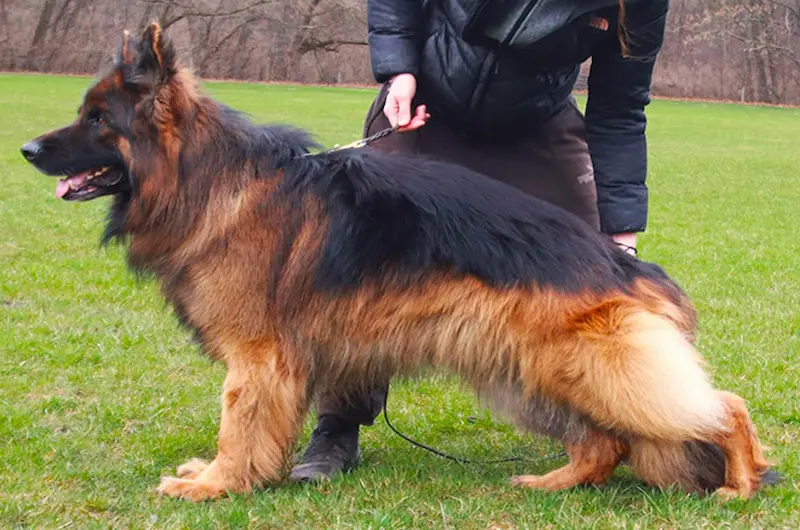
TL;DR: German Shepherds are not a breed that needs a standing weekly appointment at the salon, but they are also not a wash-and-go dog. That dense double coat sits somewhere in the middle, and figuring out how often to book a professional groomer comes down to understanding the coat’s natural rhythm rather than following a one-size-fits-all rule. The short version is that most German Shepherds do well with professional grooming every two to three months, with more frequent visits during the heavy shedding seasons. But the right schedule for your dog depends on a few factors worth understanding before you … Continued
German Shepherd Loss Of Appetite: A Guide For Worried Owners
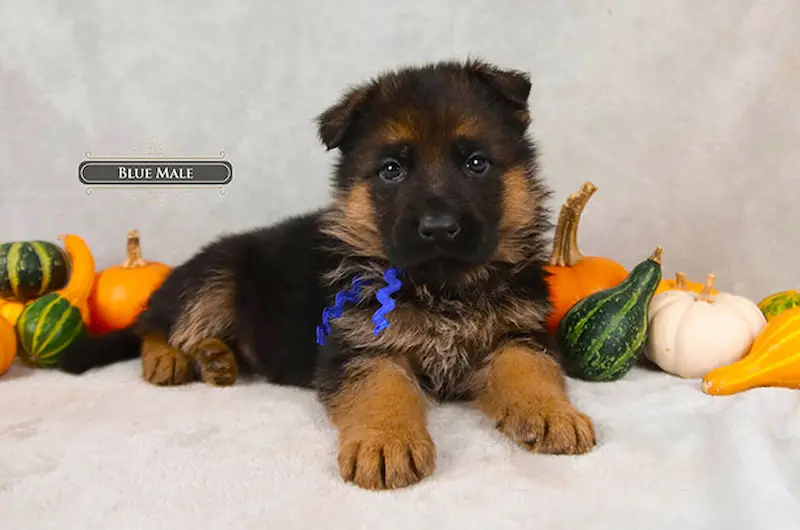
Summary: There are few things more unsettling for a German Shepherd owner than a full food bowl sitting untouched. This is a breed known for enthusiastic eating, so when your dog sniffs the bowl and walks away, the worry sets in fast. The reassuring news is that a single skipped meal is often nothing serious. The harder truth is that loss of appetite can also be the first visible sign of something that needs urgent attention. Loss of appetite is a symptom, not a diagnosis, and the cause can range from mild stress all the way to a life-threatening emergency. … Continued
Are German Shepherds Good With Cats? Myths Vs. Facts
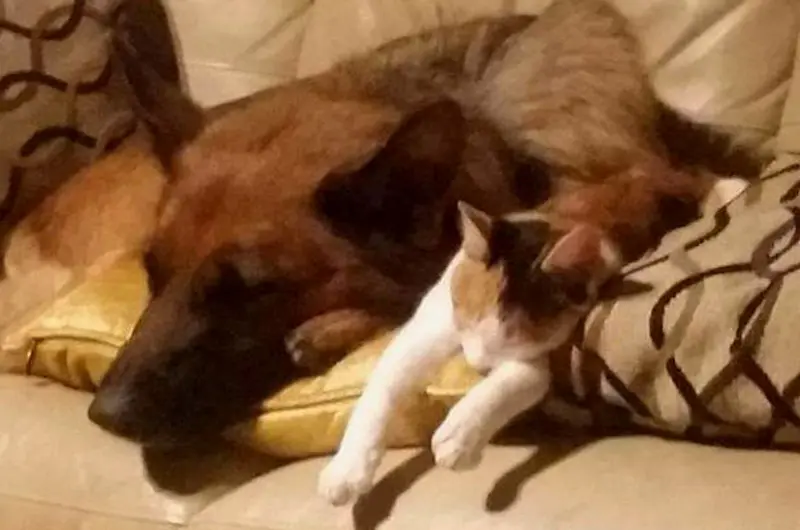
Highlights: It is one of the most common questions asked by anyone who owns a cat and is considering a German Shepherd, or owns a German Shepherd and is thinking about adding a cat. And the honest answer is the one nobody likes to hear: it depends. It depends on the individual temperament of both animals, the age at which they meet, the quality of training the dog has received, and how carefully the introduction is handled. German Shepherds are loyal, attentive, and highly trainable, which gives them a real advantage in learning to coexist with cats. But the breed … Continued
How To Groom A German Shepherd Properly For A Healthy Coat
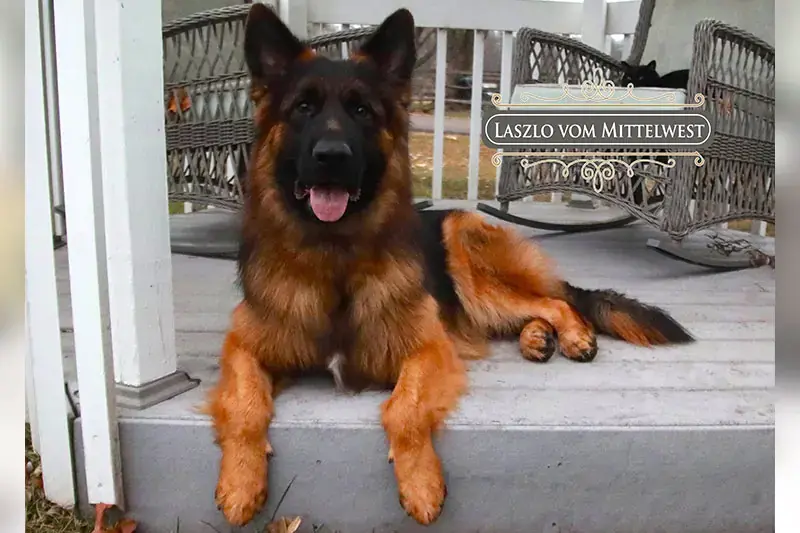
Overview: German Shepherds are one of the most striking breeds in the world, and a big part of that comes down to their coat. But that thick, weather-resistant double coat is not a low-maintenance feature. It is a system that needs consistent, informed care to stay healthy, and getting the grooming wrong can do real harm to your dog’s skin and coat. The good news is that grooming a German Shepherd is not complicated once you understand how the coat works and what each step is actually doing. This guide walks through everything from brushing frequency and the right tools … Continued