
Key Takeaways:
A bump on a German Shepherd’s nose can have many causes. It may come from a scrape, insect bite, infection, skin condition, or abnormal growth. Some bumps are minor, while others need veterinary testing.
The appearance of the bump may provide clues, but it cannot confirm the cause. A soft swelling that appears after outdoor play is different from a hard lump that keeps growing or a sore that repeatedly bleeds.
Bumps can appear on the hairless surface of the nose, around the nostrils, along the bridge of the muzzle, or inside the nose. Owners should watch for changes in size, color, texture, bleeding, discharge, pain, breathing, appetite, and energy.
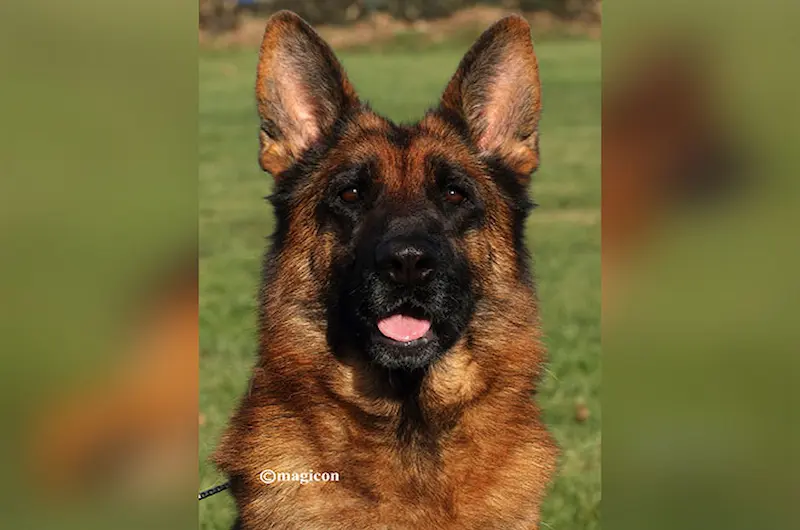
What Can Cause Bumps On A German Shepherd Nose?
Bumps on a German Shepherd nose may develop because of injuries, insect bites, infections, immune system problems, or abnormal tissue growth. A veterinarian may need to examine or test the area before recommending treatment.
Minor Injuries, Insect Bites, & Skin Irritation
German Shepherds use their noses to dig, explore, push toys, and investigate their surroundings. These activities can lead to small scrapes, swelling, redness, or crusts.
An insect bite or sting may also cause a bump to appear suddenly. Mild swelling may begin to improve after a day or two if the dog stops rubbing or scratching the area.
Schedule a veterinary appointment if the swelling spreads, becomes painful, produces discharge, or does not begin to heal. Seek urgent care if facial swelling appears with trouble breathing, weakness, vomiting, or hives.
Bacterial & Fungal Infections Around The Nose
Bacterial infections can cause red bumps, crusts, sores, discharge, pain, or bleeding around the nose. Some infections affect the areas where regular skin meets the moist tissue around the nostrils and lips.
Fungal infections may cause bumps, swelling, sores, sneezing, nasal discharge, or bleeding. Some fungal problems affect the inside of the nose rather than the visible surface.
Infections can look similar to other skin conditions. A veterinarian may collect a sample from the area to identify the cause and choose the correct medication.
Do not apply leftover antibiotics, antifungal creams, or human skin products. The wrong treatment may irritate the nose or make the condition harder to diagnose.
Immune System Conditions Can Affect The Nose
Some German Shepherds develop conditions in which the immune system attacks healthy skin by mistake.
Discoid lupus is one example. It may cause the nose to lose its dark color, become red, develop crusts, or form open sores. The usual textured surface of the nose may become smooth. Sun exposure can make the condition worse in some dogs.
Other immune system conditions may cause blisters, crusts, swelling, sores, or bleeding. These problems can look like infections, so a veterinarian may need to collect a small tissue sample before choosing treatment.
Could A German Shepherd Bump On The Nose Be A Tumor?
A bump may be harmless, but it can also be a type of tumor. The word tumor means an abnormal growth of tissue. It does not automatically mean cancer.
Papillomas are wart like growths that may have a rough or cauliflower shaped surface. Histiocytomas are often round, raised, and red. These growths are often benign, but a veterinarian may still recommend testing.
Cancerous growths can also affect the nose or muzzle. Examples include melanoma, mast cell tumors, squamous cell carcinoma, and fibrosarcoma.
Signs that a growth may need prompt testing include:
- Fast or steady growth
- Repeated bleeding
- Open sores
- Pain when touched
- Damage to nearby tissue
- A blocked or narrowed nostril
- A change in the shape of the muzzle
Growths inside the nose may cause bloody discharge, noisy breathing, sneezing, coughing, appetite loss, or weight loss.
A photograph cannot reliably show whether a growth is harmless or cancerous. Testing is the safest way to identify it.
Which Symptoms Mean The Bump Needs Prompt Care?
Schedule a veterinary visit if the bump does not go away, continues changing, or keeps returning.
Contact a veterinarian promptly if you notice:
- Rapid growth or a change in shape
- Bleeding, pus, or ongoing discharge
- Pain when touching the nose or muzzle
- Crusts with loss of nose color
- A blocked nostril or noisy breathing
- Swelling of the face
- A change in the shape of the muzzle
- Loss of appetite
- Low energy, fever, or weight loss
Take clear photographs of the bump in similar lighting every few days. Placing a ruler next to it can help you track changes in size.
Write down when the bump first appeared and whether your dog has been rubbing the nose, sneezing, eating less, or acting differently. This information can help the veterinarian understand how the condition is progressing.
How Veterinarians Diagnose A Bump On The Nose
The veterinarian will first examine the bump and ask about your dog’s health history. Important details include when the bump appeared, how quickly it has changed, and whether it causes pain, bleeding, or discharge.
Simple Tests Can Check For Infection
The veterinarian may collect cells from the bump and examine them under a microscope. This test can help identify infection, inflammation, or certain types of growths.
A skin scraping may be used to look for mites or other skin problems. A bacterial or fungal culture may be performed to identify the exact organism causing an infection.
These tests are often quick and may provide enough information to begin treatment. However, deeper or unusual bumps may require further testing.
A Biopsy Can Identify Similar Looking Conditions
A biopsy involves removing a small piece of the bump and sending it to a laboratory. A veterinary pathologist then examines the tissue under a microscope.
This test can help determine whether the bump is caused by infection, inflammation, an immune system condition, a benign growth, or cancer.
Blood tests may also be recommended when the veterinarian suspects a broader health problem. X rays or a CT scan may be needed if the growth extends below the skin or inside the nasal cavity.
A CT scan creates detailed images of the nose and muzzle. It can show changes that are not visible during a regular examination.
How Treatment Depends On The Cause
There is no single treatment for every bump on a German Shepherd nose. The correct treatment depends on the diagnosis.
A minor scrape may need gentle cleaning and protection from further rubbing. A bacterial infection may require antibiotics. A fungal infection may need antifungal medication.
Immune system conditions may be treated with medication that reduces inflammation or limits the immune response. Some dogs may also need protection from direct sunlight.
Benign growths may be monitored if they remain small and do not bother the dog. Removal may be recommended if the growth bleeds, becomes irritated, or affects breathing.
Cancerous tumors may require surgery, radiation, chemotherapy, or care from a veterinary cancer doctor. The outlook depends on the type of tumor, its location, its size, and whether it has spread.
What Should You Avoid Doing To A Nose Bump?
Do not squeeze, puncture, scrape, or cut the bump. This can cause pain, bleeding, infection, or damage to the tissue.
Avoid applying:
- Hydrogen peroxide
- Essential oils
- Acne products
- Human steroid creams
- Leftover antibiotics
- Unapproved antifungal products
These products may irritate the nose, be harmful if licked, or change the appearance of the bump before the veterinary examination.
Try to prevent your dog from rubbing or scratching the area. Ask your veterinarian whether a protective collar is needed if the dog keeps reopening the sore.
Even a small bump should be checked when it continues growing, bleeding, changing color, or returning after treatment.
Health Considerations Before Getting A German Shepherd
Before getting a German Shepherd, ask about the puppy’s family health history, veterinary records, preventive care, and early development.
A written health warranty should clearly explain what is covered and what the new owner must do after bringing the puppy home. Regular veterinary visits remain important throughout the dog’s life.
Nose and skin problems can develop even in dogs that receive good care. Owners who notice changes early and seek testing promptly give veterinarians a better chance to identify the cause and begin the right treatment.
Choosing a German Shepherd also means finding a puppy whose temperament, energy level, and development fit your household. Mittelwest German Shepherds can help you explore current litters and understand what to expect as your puppy grows.

Julie Martinez is a German Shepherd breeder and the owner of Mittelwest German Shepherds in Wonder Lake, Illinois. She breeds German Shepherd Dogs under the “vom Mittelwest” kennel name and is listed as a breeder on the AKC Marketplace. Through her breeding program, Julie focuses on German-bred bloodlines and works with owners who value structure, temperament, and real-world working ability. She is also involved in local working-dog training through the Wonder Lake Schutzhund Club, where Mittelwest supports hands-on development such as tracking and club training.