Overview:
German Shepherds are one of the most striking breeds in the world, and a big part of that comes down to their coat. But that thick, weather-resistant double coat is not a low-maintenance feature. It is a system that needs consistent, informed care to stay healthy, and getting the grooming wrong can do real harm to your dog’s skin and coat.
The good news is that grooming a German Shepherd is not complicated once you understand how the coat works and what each step is actually doing. This guide walks through everything from brushing frequency and the right tools to bathing technique, drying, and nail care, with the specific mistakes that damage coats along the way.
Why The German Shepherd Double Coat Changes Everything About Grooming
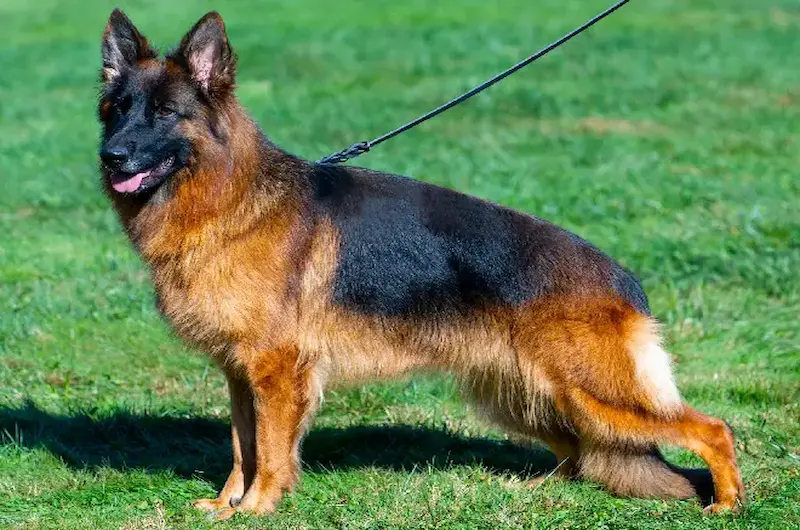
Before you pick up a single brush, you need to understand what you are working with. German Shepherds have a double coat, which means two distinct layers serving different purposes.
The outer layer, called the guard coat, is coarse and water-resistant. It protects against dirt, debris, UV rays, and moisture. Underneath sits the undercoat, a dense, soft, wool-like layer that provides thermal insulation. Together, these two layers regulate your dog’s body temperature in both hot and cold weather, which is exactly why you should never shave a German Shepherd.
This double-coat structure also means German Shepherds shed year-round. Most owners are surprised by just how much fur a GSD produces on a normal week. Then, twice a year, usually in spring and fall, they “blow” their coat, shedding the undercoat in dramatic volume over a period of a few weeks. A grooming routine that keeps up with this constant turnover is the difference between a healthy coat and a matted, irritated one.
How Often You Should Brush A German Shepherd Through The Year
Brushing is the single most important part of German Shepherd grooming, and the frequency depends on the season.
During normal periods, brushing three to four times per week keeps loose fur under control, removes dead hair before it mats, distributes the skin’s natural oils through the coat, and gives you a regular opportunity to inspect the skin underneath. During the heavy shedding seasons of spring and fall, that schedule needs to ramp up to daily brushing. When a German Shepherd is blowing its coat, the volume of loose undercoat is enormous, and skipping days allows that loose fur to compact into the live coat and form mats.
Consistent brushing does more than manage fur. It is your best early-warning system for skin problems. As you work through the coat, you are checking for irritation, redness, fleas, ticks, lumps, hot spots, or any change in the skin that warrants a closer look. Catching these early is far easier than dealing with an advanced problem.
The Essential Grooming Tools Every German Shepherd Owner Needs
You cannot groom a double coat properly with a single brush. Each tool reaches a different layer and does a different job. The core toolkit is short, but each piece matters.
| Tool | What It Does | When To Use It |
| Undercoat rake | Reaches deep into the dense undercoat to pull out loose, dead fur | Primary deshedding tool, especially during coat-blow season |
| Slicker brush | Removes loose hair and debris from the surface guard coat | Routine brushing and smoothing the topcoat |
| Metal comb | Checks for and works through tangles in mat-prone areas | Finishing pass and spot-checking trouble zones |
| Nail clippers or grinder | Trims nails to a comfortable, functional length | Every few weeks as needed |
| Dog-specific shampoo | Cleans without stripping the coat’s natural barrier | Bath time only, when a bath is actually needed |
A high-velocity pet dryer is also worth considering for owners who want to manage shedding and drying more efficiently, though it is optional rather than essential.
How To Brush A German Shepherd The Right Way, Section By Section
Technique matters as much as frequency. Brushing randomly across the coat misses the dense areas where mats actually form.
Always brush in the direction of hair growth, never against it. Brushing against the grain is uncomfortable for the dog and can damage the coat. Work in sections rather than trying to cover the whole dog at once. Start at one area, brush it thoroughly through both the topcoat and undercoat, then move methodically to the next.
Pay special attention to the mat-prone zones, which are the areas where friction and moisture collect. These include behind the ears, under the legs and armpits, around the groin, and near the base of the tail. These spots tangle first and are often missed in a quick once-over. Use your metal comb to check these areas after brushing. If the comb passes through cleanly, the section is done. If it snags, there is still loose undercoat or a forming tangle to work out.
When & How To Bathe A German Shepherd Without Drying Out The Skin
Here is where many well-meaning owners cause problems. German Shepherds should only be bathed when they actually need it, not on a frequent schedule. Over-bathing strips the natural oils that protect the skin and coat, leading to dryness, irritation, and a compromised coat barrier. For most German Shepherds, a bath every few months is plenty unless they have rolled in something or have a specific skin condition that requires medicated bathing.
Before the bath even begins, brush the coat thoroughly. This step is non-negotiable for a double-coated breed. Any mats or loose undercoat left in the coat will compact when wet, trapping water and shampoo against the skin, which causes irritation and makes drying far more difficult. The wool-like undercoat is especially prone to this, so make sure it is fully brushed out first.
When you bathe, use lukewarm water and a shampoo formulated specifically for dogs. Never use human shampoo or baby shampoo, as the pH balance is wrong for canine skin and will disrupt the protective barrier. Work the shampoo through the coat, then rinse thoroughly. Rinsing is one of the most important steps, because shampoo residue left in that dense coat is a leading cause of itching, flaking, and redness. Keep rinsing until the water runs completely clear.
Why Drying The Undercoat Completely Is Not Optional
Drying a German Shepherd properly takes time, and skipping it creates real problems. That dense undercoat holds moisture long after the outer coat feels dry to the touch. When moisture lingers against the skin, it creates a warm, damp environment where bacteria and yeast thrive, which can lead to hot spots and skin infections.
After a bath, towel off as much water as you can, then dry the coat completely, paying particular attention to the undercoat and the mat-prone areas where moisture hides. A high-velocity dryer makes this dramatically faster and more thorough than air-drying or towel-drying alone, and it has the added benefit of blowing out even more loose undercoat in the process. If you air-dry, give the dog plenty of time in a warm space and check the undercoat with your fingers to confirm it is genuinely dry, not just surface-dry.
Never Shave The Double Coat, It Causes Lasting Damage
It is worth stating plainly because the temptation is real, especially in hot climates: never shave your German Shepherd’s double coat. It seems intuitive that removing fur would keep the dog cooler in summer, but the opposite is true.
The double coat regulates temperature in both directions. In summer, it insulates against heat and protects the skin from sunburn. Shaving removes that protection entirely. Worse, when a double coat is shaved, it often does not grow back the same way. The undercoat tends to return faster and thicker than the guard coat, resulting in a patchy, fuzzy texture that traps more heat and dirt and loses its weather-resistant properties permanently. Light trimming around the paws or sanitary areas for hygiene is fine, but full-body shaving should never happen.
How To Trim German Shepherd Nails Safely Without Hitting The Quick
Nail care is the grooming task owners most often neglect, and overgrown nails are not just a cosmetic issue. When nails get too long, they affect the dog’s comfort, posture, and traction on the floor, and in severe cases can alter the dog’s gait and cause joint strain over time.
How often you trim depends on the individual dog. Nails that wear down naturally on hard surfaces need trimming less often, while dogs on soft ground may need a trim every few weeks. The general rule is that if you can hear the nails clicking on the floor, they are too long.
The most important rule of nail trimming is to avoid the quick, the pink area of living tissue inside the nail that contains blood vessels and nerves. Cutting into the quick is painful and causes bleeding. On light-colored nails, the quick is visible as a pink region, and you should cut well below it. On dark nails, the quick is harder to see, so trim small amounts at a time. You can see the quick more clearly by holding a flashlight behind the nail or examining it against bright light. When in doubt, trim less. Several small trims are far safer than one aggressive cut.
Building A Grooming Routine That Catches Health Problems Early
The real value of a consistent grooming routine goes beyond appearance. Every brushing session, bath, and nail trim is a hands-on health check. Owners who groom regularly are the first to notice a new lump, a patch of irritated skin, the start of a flea problem, or an ear that does not look quite right.
A practical routine looks like this: brush three to four times weekly (daily during coat-blow season), check ears and mat-prone areas during each brushing, trim nails every few weeks as needed, and bathe only when genuinely necessary with thorough drying afterward. Built into a regular rhythm, grooming becomes a quick, low-stress part of life rather than an occasional overwhelming chore, and your dog’s coat and skin stay healthy as a result.
A Healthy Coat Starts With Strong Genetics & Responsible Breeding
A German Shepherd’s coat quality, skin resilience, and overall health are shaped by the genetic foundation the dog inherits. Dogs bred from lines with proven coat quality, sound skin health, and documented health clearances are far more likely to maintain a thick, healthy double coat throughout their lives with straightforward care. At Mittelwest, every breeding pair is selected from world-class German bloodlines with documented health histories, structural integrity, and balanced temperament, giving each puppy the strongest possible foundation for a lifetime of health and a magnificent coat.

Julie Martinez is a German Shepherd breeder and the owner of Mittelwest German Shepherds in Wonder Lake, Illinois. She breeds German Shepherd Dogs under the “vom Mittelwest” kennel name and is listed as a breeder on the AKC Marketplace. Through her breeding program, Julie focuses on German-bred bloodlines and works with owners who value structure, temperament, and real-world working ability. She is also involved in local working-dog training through the Wonder Lake Schutzhund Club, where Mittelwest supports hands-on development such as tracking and club training.