
Overview:
Yes, German Shepherds can be very friendly, affectionate, and gentle with their families, including children. Their version of friendliness usually looks more loyal, attentive, and protective than openly social with everyone they meet. Many German Shepherds are naturally more reserved around strangers, but that reserve does not mean they are aggressive. A well-bred, well-socialized German Shepherd with clear boundaries, daily exercise, and regular mental stimulation is often a stable, loving family dog that knows when to relax and when to stay alert.
When people ask whether German Shepherds are friendly, they are usually trying to figure out one of two things. They either want to know if the breed is good for family life, or they want to know whether a German Shepherd will be too intense around guests, kids, or other pets. The honest answer is that German Shepherds are often very friendly in the home, but they are not usually the kind of dog that treats every stranger like an instant best friend. Their temperament tends to be more thoughtful and selective, which is part of what makes them such loyal companions and dependable watchdogs.
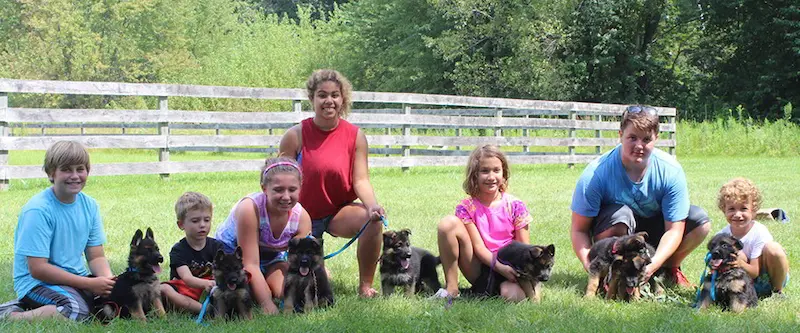
What Friendliness Looks Like In A German Shepherd
Friendliness in a German Shepherd often looks different from friendliness in an extremely outgoing breed. Many of them bond deeply with their household and show affection in steady, close, observant ways. They often want to be near their people, follow them from room to room, and stay tuned in to what is happening around the home. They can be loving, playful, and very gentle with the people they trust, but they may still stay reserved when someone new walks through the door.
That distinction matters because “friendly” does not have to mean “social with everyone.” A lot of that balance comes down to breeding, confidence, and early development, which is why temperament in German Shepherds plays such a big role in how a dog responds to family life, strangers, and new situations.
Are German Shepherds Friendly With Their Families?
In many homes, yes. German Shepherds are known for forming very close attachments to their people. They tend to be loyal, engaged, and highly responsive to the family unit. That often translates into a dog that wants to participate in daily life, whether that means playing in the yard, going on walks, learning routines, or simply lying nearby and watching the room. For families who want a dog that feels present and involved, that kind of loyalty is often one of the breed’s biggest strengths.
They also tend to do best when they are treated like part of the household rather than left on the sidelines. German Shepherds are highly people-oriented, and many behavior problems start when that need for connection is ignored. A bored or isolated German Shepherd may become loud, restless, destructive, or hard to settle. A dog that feels included, exercised, and mentally engaged is much more likely to show the stable and affectionate side people hope for when they choose this breed.
Are German Shepherds Good With Children?
German Shepherds can be very good with children, especially when they are raised with them, well-socialized, and taught how to interact appropriately. Many families are drawn to the breed because it combines loyalty with a protective nature, and that combination can make for a deeply devoted family dog. With the right temperament and training, a German Shepherd often becomes very patient and attentive around the children in its home.
That said, good family behavior does not happen on autopilot. German Shepherds are large, energetic dogs, and even a friendly one can accidentally knock over a small child during play if boundaries are not in place. Children also need to be taught how to interact respectfully with dogs. Calm supervision matters, especially during puppyhood and adolescence, when excitement levels are high and manners are still developing. The goal is not only a dog that tolerates children, but a home where both the dog and the child know how to interact safely and calmly.
Why German Shepherds Can Seem Reserved Around Strangers
One reason people misread German Shepherds is that they are often less openly social than breeds that rush up to greet everyone. Many German Shepherds are naturally watchful. They notice movement, body language, tone, and changes in the environment. That trait can make them seem serious or distant at first, especially around unfamiliar people or dogs. In many cases, that behavior is normal reserve rather than hostility.
A stable German Shepherd usually should not be timid, panicked, or reactive just because someone new is nearby. The healthier pattern is calm caution, then gradual comfort once the dog understands the situation is safe. That is very different from a dog that is fearful, frantic, or aggressive. In other words, reserve and aggression are not the same thing. A German Shepherd that hangs back, observes, and then relaxes is showing a very different temperament from one that cannot cope with strangers at all.
Socialization Shapes How Friendly A German Shepherd Becomes
Socialization has a huge effect on how a German Shepherd handles people, kids, dogs, noises, and new environments, which is why early German Shepherd puppy socialization often has such a lasting impact on confidence and friendliness later on. Puppies are especially open to learning during the early socialization window, which behavior sources describe as roughly 3 to 16 weeks. During that period, safe and positive exposure to different people, settings, and situations helps build confidence and lowers the chance that unfamiliar things will feel threatening later.
This is where a lot of temperament issues either improve or get worse. A German Shepherd puppy that has calm, positive exposure to visitors, children, sounds, surfaces, and other dogs is much more likely to grow into a composed adult. A puppy that is isolated, overwhelmed, or repeatedly frightened may become more suspicious or fearful than owners expect. Socialization does not mean forcing a dog to meet everyone. It means creating positive experiences that teach the dog the world is manageable.
That is especially important for a breed that already tends to be alert and protective. Without enough early guidance, those natural instincts can tip into anxiety, overreaction, or territorial behavior. With consistent socialization, clear training, and good daily structure, those same instincts often settle into the kind of confidence people actually want: calm in the house, polite in public, and attentive when something truly feels off.
Exercise & Mental Stimulation Matter Just As Much As Socialization
German Shepherd temperament is not only about genetics or puppy exposures. Daily lifestyle matters too. This is a high-energy, highly intelligent breed that needs regular physical exercise and mental work. Current veterinary guidance notes that many German Shepherds need around one to two hours of exercise a day, along with training or enrichment that gives them something to think about. When those needs are met, they are often easier to live with, easier to train, and more emotionally steady.
When those needs are not met, friendliness can suffer. An under-stimulated German Shepherd may become frustrated, vocal, destructive, hypervigilant, or difficult around visitors and other dogs. Sometimes owners interpret that behavior as the breed being naturally unfriendly, when the bigger issue is stress, boredom, or pent-up energy. A dog that has had no outlet all day is much less likely to greet the world calmly than one that has been exercised, trained, and given a predictable routine.
This is one of the most important points for families. If you want the affectionate, stable, protective version of the breed, you have to support the dog’s brain and body every day. Walks help, but many German Shepherds also benefit from obedience work, scent games, fetch, structured play, and tasks that make them feel engaged. A dog with a job, even a simple one, often handles family life much better than a dog left to invent its own outlet.
Friendly Does Not Mean The Same As Passive
German Shepherds are often friendly, but they are not usually passive dogs. They notice things. They respond to movement. They care about what is happening around their home and their people. That can be a very good quality in a family setting, because it often creates a dog that feels deeply loyal and naturally protective. It also means they need boundaries. A German Shepherd should learn that guests are not threats, excitement does not require chaos, and being protective does not mean making decisions without guidance from the handler.
This is why clear training matters so much. German Shepherds tend to learn quickly, and many are eager to work with their people. That makes them highly trainable, but it also means they pick up habits fast, including bad ones. Families usually do best with a German Shepherd when they create structure early, reward calm behavior, and stay consistent. A dog that understands expectations is much more likely to come across as friendly, trustworthy, and socially steady.
Find More German Shepherd Puppy Insights At Mittelwest
German Shepherds can be loving, gentle, and deeply loyal family dogs. Many are affectionate with their people, good with children when raised with clear boundaries, and naturally protective without being overly social with everyone they meet. That balance is a big part of what draws families to the breed.
A German Shepherd’s temperament is shaped by more than personality alone. Breeding, early socialization, training, structure, and daily physical and mental activity all play a role in how friendly, steady, and confident a dog becomes over time. When those pieces come together, German Shepherds often grow into devoted companions that are attentive at home, calm with their families, and appropriately reserved without tipping into instability.
Mittelwest shares clear guidance for people who want to better understand German Shepherd behavior, temperament, and day-to-day care.

Julie Martinez is a German Shepherd breeder and the owner of Mittelwest German Shepherds in Wonder Lake, Illinois. She breeds German Shepherd Dogs under the “vom Mittelwest” kennel name and is listed as a breeder on the AKC Marketplace. Through her breeding program, Julie focuses on German-bred bloodlines and works with owners who value structure, temperament, and real-world working ability. She is also involved in local working-dog training through the Wonder Lake Schutzhund Club, where Mittelwest supports hands-on development such as tracking and club training.