TL;DR:
Most German Shepherds have brown eyes, and the shade can look slightly different depending on lighting and age. Healthy eyes tend to stay clear, comfortable, and even from day to day. If you keep noticing continuous redness, thick discharge, cloudiness, or squinting, it can mean the eye is irritated and not settling back to normal on its own. When a change repeats, it is worth getting checked with a vet instead of waiting for it to resolve.
German Shepherds are known for their steady focus. Even when they are relaxed at home, their eyes often look alert, thoughtful, and deeply aware of what is happening around them. That expression is part of what makes the breed so recognizable. It is also one of the reasons owners tend to notice eye changes quickly.
When it comes to German Shepherd eyes, small shifts can sometimes tell a bigger story. Read on to learn more about a GSD’s eye color, eye shape, and the types of changes that are worth paying attention to over time. The goal is not to overthink every detail, but to help you recognize what is normal for your dog and what may deserve a closer look.
What German Shepherd Eyes Usually Look Like?
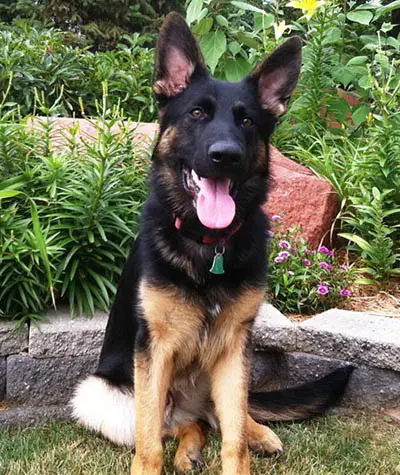 When your German Shepherd feels comfortable, their eyes tend to look steady and consistent from one day to the next. Knowing what is normal for your own dog makes it easier to recognize when something begins to shift.
Clear, Bright Eyes That Look Naturally Reflective
A healthy German Shepherd’s eyes should look clear and naturally reflective in normal light. The surface should not appear cloudy, dull, or coated, even when your dog is tired. If you notice a repeated hazy or foggy look, that can be an early sign that something is irritating the eye.
Normal Tear Moisture That Keeps The Eye Clean
A small amount of moisture is normal because tears help protect the eye from dust and debris. You might see light crusting after sleep or mild watering on windy days, and that is usually temporary. But thick, sticky, or colored discharge usually points to irritation or infection rather than normal moisture.
Even & Comfortable Eyes Without Persistent Squinting
Healthy eyes should appear balanced, with both eyes opening evenly and looking similar in size. Occasional squinting in bright sunlight is common, but repeated squinting indoors is not. Pay attention to behavior as well, since rubbing the face, pawing at one eye, or turning away from light often signals discomfort.
Healthy eyes tend to stay consistent, so when something begins to look or feel different more than once, it is worth paying attention instead of brushing it off.
What Color Of GSD Eyes Is Normal & What’s Not?
Most of the time, the color of a GSD’s eyes is simply part of the breed’s appearance. Still, certain changes in color or overall look can be early clues that the eye is irritated or not as clear as it should be.
Common Colors & Why They Vary
Most German Shepherds have brown eyes, and the shade can range from medium brown to very dark brown. Lighting makes a big difference, so eyes can look darker indoors and slightly lighter outside. Puppies may also start with softer-looking eyes that deepen in color as they grow. As long as the eyes look clear and consistent, this kind of variation is usually normal.
When Eyes Look Duller Or Uneven
Sometimes, one eye may seem lighter than the other, or both eyes may look dull instead of bright. If the eyes repeatedly look washed out, uneven, or less reflective than usual, that pattern is worth paying attention to.
Blue-Looking Eyes: Rare Cases & Common Misreads
A German Shepherd with blue eyes is uncommon in traditional breeding lines, so it often catches people off guard. What many owners think is “blue” is actually haze or cloudiness reflecting light in a pale way. This can make the eye look gray, bluish, or foggy, especially in sunlight. If the eye looks blue but also looks dull or cloudy, it should be treated as a possible health change rather than a unique color trait.
A healthy eye usually looks the same from one day to the next, even in different lighting. If the color or overall look keeps shifting, that is often your sign to look closer.
How German Shepherd Eye Shape Affects Comfort?
German Shepherds typically have almond-shaped eyes set at a slight angle. That shape helps reduce exposure to wind, dust, and debris during daily activity. When the eye is positioned well and the lids fit closely, the surface is better protected.
Problems usually begin when the eyelids do not sit properly. If they are loose or slightly misaligned, the eye can become irritated more easily. You may notice repeated tearing, mild redness, or extra blinking that keeps returning without a clear trigger. Occasional watering is normal, but consistent irritation often connects back to the structure.
Changes In German Shepherd Eyes That Can Signal A Problem
Many eye problems do not start as obvious emergencies. They may begin as small changes you notice during normal routines. The key is knowing which changes are common and which ones tend to signal irritation that is not resolving on its own.
Redness That Comes Back
A little redness after wind or exercise can happen. The concern is when redness returns often or lasts longer than it should. If one eye stays irritated more than the other, that is also worth noting. Repeated redness usually points to ongoing irritation rather than a random reaction.
Discharge That Changes Texture Or Color
Clear tears are common. Thick, sticky, or colored discharge is not. Yellow or green buildup often signals infection or inflammation. If you are cleaning the same discharge several times a day, the eye is likely not settling on its own.
Cloudiness, Haze, Or A Film Look
Healthy eyes look glossy and clear. A cloudy or hazy surface can signal irritation, injury, or age-related change. Sometimes the shift is gradual, which makes it easy to miss. If one eye looks duller or foggier than usual and stays that way, consider having it checked.
Rubbing, Pawing, Light Sensitivity, Or Holding One Eye Closed
Behavior often shows discomfort before appearance does. Pawing at the eye, rubbing the face, or squinting indoors are not random habits. Light sensitivity and holding one eye partly closed are also common signs. When these behaviors repeat, the eye is likely irritated or painful.
When you see any of these changes, the most helpful thing you can do is pay attention to timing and consistency. When the same sign keeps returning, it is usually worth getting checked so your dog is not quietly dealing with ongoing discomfort.
Common Eye Issues In German Shepherds & How They Usually Show Up
German Shepherds can experience several eye issues over time. Some are mild and temporary, while others need treatment. Knowing what these issues usually look like helps you respond sooner and avoid guessing.
| Eye Issue | How It Usually Shows Up |
| Allergies & Environmental Irritation | Watery eyes, mild redness, and extra blinking that comes and goes, often during certain seasons or after outdoor time. |
| Minor Scratches & Play Injuries | Sudden squinting, heavy tearing, or one eye staying partly closed, especially after play or running through brush. |
| Conjunctivitis & Infections | Ongoing redness, swelling, and discharge that becomes thick, sticky, or yellow-green. |
| Dry Eye | Thick buildup that returns quickly after wiping, along with a dull-looking eye surface and frequent blinking. |
| Age-Related Eye Changes | Gradual haze in the eyes and subtle vision decline, often more noticeable in dim light. |
Most of these conditions are manageable when identified early. The key is noticing when symptoms repeat or fail to improve. If something looks different and stays that way, it is usually worth having it checked.
Simple Habits That Support Your GSD’s Eye Health
You do not need a complicated routine to support your dog’s eyes. Small, consistent habits make the biggest difference over time.
- Keep the Face Clean – Gently wipe away mild tear buildup with a soft, damp cloth, especially after outdoor activity.
- Limit Wind & Debris Exposure – Avoid letting your dog ride with their head out of the car window, since wind and particles can irritate the eyes.
- Manage Allergens When Possible – Rinse paws and wipe the face during heavy pollen seasons to reduce irritation.
- Groom Carefully Around The Eye – Trim stray hairs that may poke or rub against the eye surface.
- Watch For Repeating Changes: Pay attention to patterns rather than one-time irritation.
These habits are simple, but consistency matters more than intensity. When you build small routines into everyday care, you can reduce irritation before it becomes a problem.
Building A Strong Foundation For Your German Shepherd’s Long-Term Health
Long-term health begins with the foundation set early in life. At Mittelwest German Shepherds in Wonder Lake, Illinois, we focus on sound structure and stable temperament from the start. Proper structure supports comfort and movement over time, including how the eyes sit and function as the dog matures.
New owners also receive clear guidance on care, growth stages, and what normal development looks like at each phase. When you understand what is typical for your dog, you are better prepared to notice meaningful changes. This awareness allows you to respond early and keep small issues from turning into larger ones.

Julie Martinez is a German Shepherd breeder and the owner of Mittelwest German Shepherds in Wonder Lake, Illinois. She breeds German Shepherd Dogs under the “vom Mittelwest” kennel name and is listed as a breeder on the AKC Marketplace. Through her breeding program, Julie focuses on German-bred bloodlines and works with owners who value structure, temperament, and real-world working ability. She is also involved in local working-dog training through the Wonder Lake Schutzhund Club, where Mittelwest supports hands-on development such as tracking and club training.