TL;DR:
Early warning signs of common German Shepherd health issues can show up as small, repeated changes, not sudden problems. Shifts in movement, behavior, appetite, energy, or coat often appear gradually and are easy to dismiss at first. What you also need to watch out for is consistency. When the same changes keep showing up, they are worth paying attention to. Knowing what is normal for your dog makes it easier to respond appropriately without overreacting.
German Shepherds are known for their strength, intelligence, and steady presence in the home. They are often active, alert, and deeply connected to their families. Because of that, changes in their behavior or physical condition can stand out when you know what to look for. Still, many early signs are easy to dismiss as temporary or age-related.
German shepherd health issues do not usually appear all at once. More often, they show up quietly. A hesitation here, a behavior change there, or a routine that suddenly looks a little different. These early signs are easy to brush off, especially when your dog still seems mostly fine. Learning to recognize those early signals helps you support your GSD before small issues turn into bigger ones.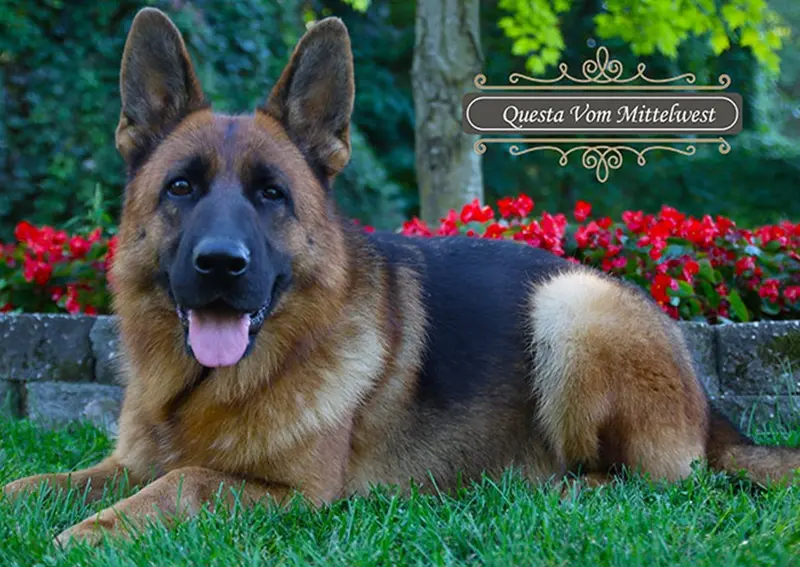
Why Early Detection Matters For Your GSD’s Long-Term Health
Early detection is not about assuming the worst, but noticing patterns before they begin to affect your dog’s comfort or quality of life. Many health-related changes start subtly and build over time. When they go unnoticed, dogs often adjust silently until the strain becomes harder to manage.
German Shepherds are driven, loyal, and often eager to keep going even when something does not feel right. That is why early awareness matters. Catching changes early gives you room to adjust routines, modify activity, and seek guidance before discomfort becomes a daily issue.
Early Warning Signs Of German Shepherd Health Issues
Early health changes rarely show up as one clear sign. More often, they appear as small shifts spread across daily routines. Paying attention to these patterns helps you understand when something is simply a temporary change and when it may be your dog asking for support.
Changes In Your GSD’s Movement & Mobility
Movement changes are often one of the first signs owners notice, even if they do not immediately connect them to a health concern. A dog may seem slower getting up after resting or stiff during the first few minutes of a walk. You might also notice limping that comes and goes, especially after exercise.
Some dogs begin avoiding stairs, hesitating before jumping into vehicles, or choosing different paths during walks. Reduced endurance can also show up, with your dog tiring sooner than usual or needing more frequent breaks. These changes are not always dramatic, but consistency matters. When movement looks different more often than not, it is worth paying attention to.
Shifts In A German Shepherd’s Behavior That Signal Discomfort
Behavior is often one of the first places discomfort shows up. When a German Shepherd does not feel quite right, it may not look like obvious pain. Instead, the change can be subtle, such as acting slightly different during everyday moments.
Some dogs become quieter or pull back from interaction, while others grow more irritable or sensitive to touch. Changes may show up during grooming or their normal routines. Sleep can shift as well, with dogs resting more during the day or struggling to settle at night. These behaviors are not attitude issues, but are often signs that something does not feel right.
A German Shepherd’s Appetite & Digestive Pattern Shifts
Eating habits can reveal a lot about how a dog is feeling. When a German Shepherd skips meals, eats more slowly, or seems less interested in food, it may be reacting to discomfort rather than simple pickiness.
Digestive changes may include inconsistent stool, occasional vomiting, or new sensitivities to foods that were previously tolerated. Their weight may shift even when diet and exercise stay the same. A missed meal once in a while is usually not concerning, but repeated changes over time deserve closer attention.
Skin, Coat, & Ear Warning Sign You Can See & Feel
A healthy German Shepherd usually has a full coat and comfortable ears. When changes appear in these areas, they often reflect internal imbalance or ongoing irritation rather than surface-level problems. Many German Shepherd common health issues first appear through changes in the skin, coat, or ears.
You may notice heavier shedding outside normal seasonal cycles, a dull or dry coat, or thinning spots that were not there before. Ongoing scratching or licking can also signal discomfort rather than mild itchiness. Additionally, any redness, odor, or repeated irritation should not be ignored.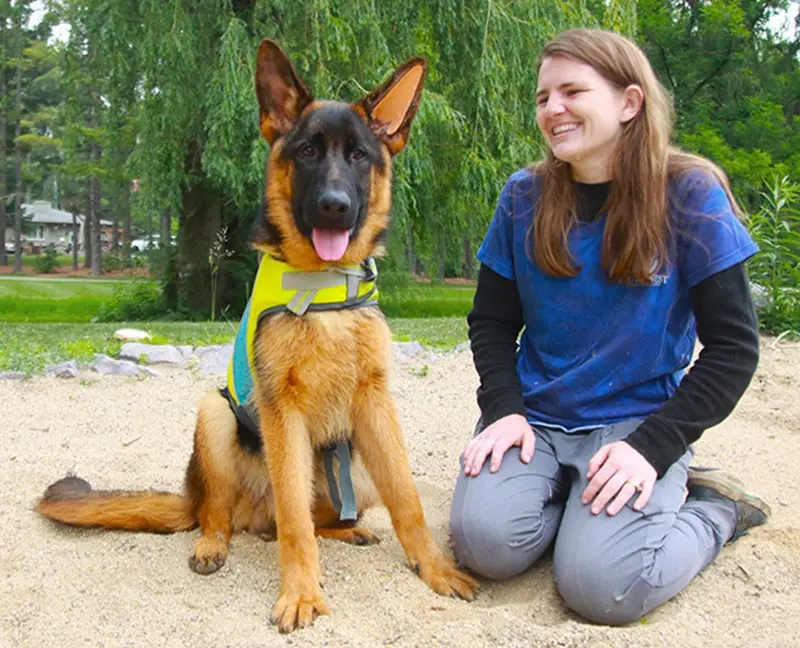
Noticeable Changes In Your GSD’s Energy Levels
Changes in energy are easy to miss because they often happen slowly. Your dog may still follow their daily routines, but with less drive or stamina than before. Over time, that quiet shift can signal that something is not quite right.
Some German Shepherds seem tired during activities they once enjoyed, while others become restless and have trouble settling. Both patterns can point to discomfort or internal imbalance. The most helpful comparison is not to other dogs, but to what has always been normal for your own dog.
Age-Specific Signs That Develop Over Time
Health changes can show up differently as a German Shepherd moves through each stage of life. What looks normal for a growing puppy may be a concern later on. That is why age and development always matter when observing changes. Understanding that context helps prevent both overreaction and missed warning signs.
Puppies and adolescents may move awkwardly, grow unevenly, or struggle to keep up during play as their bodies change. In adulthood, signs tend to shift toward stiffness after activity or longer recovery times. As dogs age, changes in mobility, hearing, vision, or sleep often become more noticeable.
Many early signs show up quietly and develop over time. When small changes start to repeat, they are worth paying attention to. Knowing what is normal for your dog helps you respond appropriately without overthinking every shift.
When Patterns Matter More Than Isolated Changes
Not every change means something is wrong. Dogs can have days where they move a little slower, eat less, or seem off without it turning into a larger issue. Those moments happen, and most of the time they resolve on their own.
What matters is when the same change starts showing up again and again. A limp that appears once and disappears is different from one that shows up after every walk. The same applies to appetite changes, behavior shifts, or drops in energy that do not return to normal. When these changes repeat, they stop being random and start giving you useful information about what your dog may be dealing with.
How To Support Your GSD Through Observation & Preventive Care
Supporting your dog’s health does not mean watching them constantly or second guessing every small behavior. It starts with paying attention during normal, everyday routines. When you know how your dog usually moves, eats, and settles, changes tend to stand out without much effort.
Over time, a few steady habits make that awareness easier to maintain:
- Keeping your dog at a healthy weight reduces strain on joints and movement.
- Following consistent routines so changes are easier to notice.
- Paying attention to how your dog recovers after activity, not just how active they are.
- Noticing shifts in appetite, rest, or behavior as part of the bigger picture.
- Watch how your dog handles everyday movement like climbing stairs, getting up, or lying down.
- Being mindful of small changes that last more than a day or two.
Preventive care works best when it feels practical and steady. The goal is not to worry over every small change, but to stay aware enough to recognize when something no longer feels typical for your dog.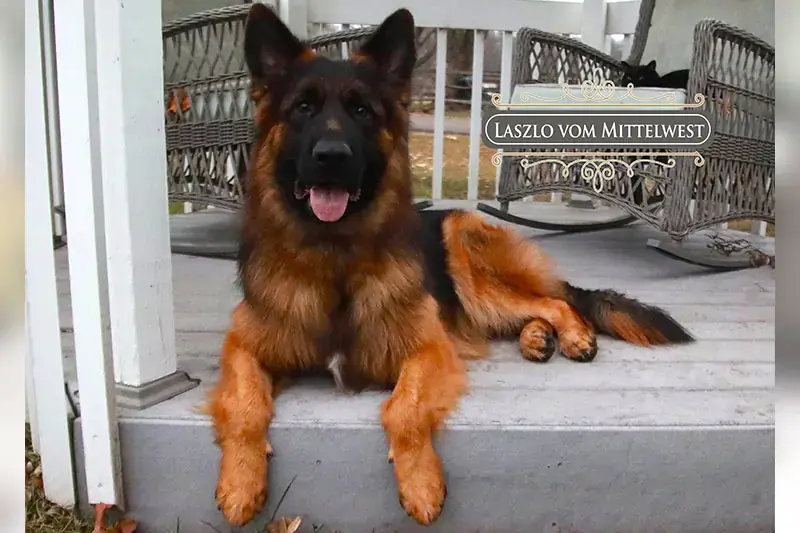
How Mittelwest German Shepherds Supports Long-Term Health Awareness
Long-term health depends on more than just addressing problems as they come up. How a dog is built, the way they move, and how they handle daily life all play a role over time. Paying attention to those details early helps reduce surprises later and gives owners a clearer sense of what to expect as the dog matures.
Mittelwest German Shepherds in Wonder Lake, IL, focuses on raising dogs with sound structure and steady temperaments. Then, we help families understand what that means in real life. Our team gives owners straightforward information about normal development, common changes with age, and signs that deserve closer attention. At Mittelwest German Shepherds, we believe this clarity can help people stay consistent and better prepared to support their dogs as they grow.

Julie Martinez is a German Shepherd breeder and the owner of Mittelwest German Shepherds in Wonder Lake, Illinois. She breeds German Shepherd Dogs under the “vom Mittelwest” kennel name and is listed as a breeder on the AKC Marketplace. Through her breeding program, Julie focuses on German-bred bloodlines and works with owners who value structure, temperament, and real-world working ability. She is also involved in local working-dog training through the Wonder Lake Schutzhund Club, where Mittelwest supports hands-on development such as tracking and club training.