
TL;DR:
German Shepherds can stay outside in winter for short, supervised periods if they are healthy adults, dry, protected from wind, and not exposed to extreme cold for long. Their double coat helps, but it does not make them immune to winter weather. Puppies, senior dogs, underweight dogs, sick dogs, and any German Shepherd that is wet or stuck in wind chill are at much higher risk of hypothermia and frostbite. As a practical rule, use extra caution once temperatures drop below 32°F, limit time outside as temperatures move closer to 20°F, and avoid leaving a German Shepherd outside for extended periods in freezing, wet, or windy conditions.
German Shepherds are sturdy, athletic dogs with a dense double coat, so many owners assume they can handle winter better than most breeds. That is partly true. A healthy adult German Shepherd usually tolerates cold weather better than a small, thin-coated dog. Still, they are not the same as Arctic or northern breeds that were developed to work for long stretches in severe snow and subzero conditions. A German Shepherd’s coat gives insulation, not unlimited protection.
That distinction matters because owners often ask the wrong question. Instead of asking whether German Shepherds can stay outside in winter, the better question is how long, in what temperature, under what weather conditions, and with what kind of dog. A young, healthy, dry adult that goes outside for exercise and bathroom breaks is a very different case from an older dog lying in a damp yard for hours. Winter safety depends less on breed alone and more on age, health, body condition, shelter, and exposure to wind and moisture.
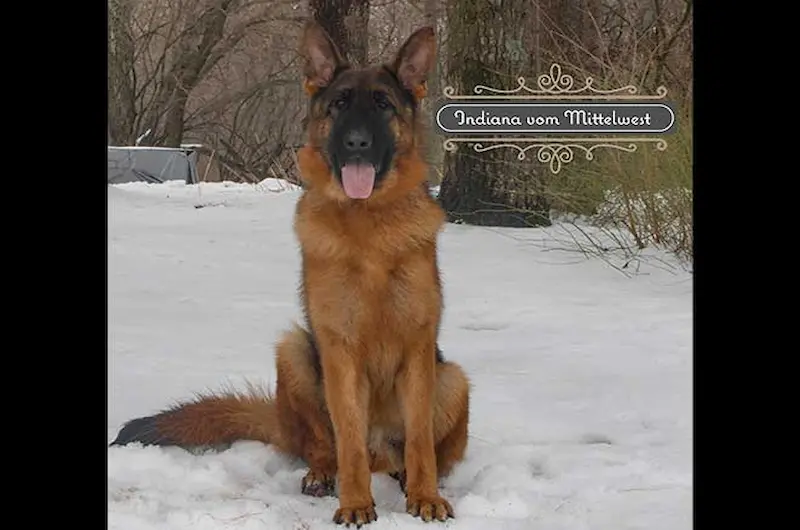
Why A GSD’s Double Coat Helps, But Has Limits
German Shepherds usually have a double coat with a dense undercoat and a harsher outer coat. That coat helps trap insulating air close to the body and gives some protection against cold and light moisture. It also helps explain why many German Shepherds enjoy winter walks and can play in the snow without immediate trouble.
But insulation is not the same as cold-proofing. Even thick-coated dogs can get dangerously cold when they stay outside too long, especially if the coat becomes wet or the weather is windy. Veterinary and animal welfare sources consistently warn that prolonged exposure can lead to hypothermia, and that frostbite risk rises in freezing temperatures, particularly on the paws, ears, nose, and tail. In other words, the coat buys time. It does not remove the danger.
This is also why “my dog has thick fur” should never be the entire winter plan. A double coat helps a German Shepherd regulate temperature, but it cannot fully offset wet ground, freezing wind, sleet, or long inactive hours outdoors. A working dog moving around in cold weather and a pet lying still in a backyard are not dealing with the same level of risk.
Age, Health & Weather Matter More Than Breed Alone
Age is one of the biggest factors. Puppies and senior dogs have a harder time regulating body temperature, and older dogs may also deal with arthritis, lower muscle mass, or chronic illness that makes cold harder on the body. The American Kennel Club and other veterinary sources specifically note that puppies and senior dogs are among the groups most vulnerable to cold-related problems.
Health and body condition matter too. Dogs dealing with underlying health issues in German Shepherds, low body weight, or recovery from illness may lose body heat faster and struggle more in winter conditions.
Then there is the weather itself. Temperature on its own does not tell the whole story. Wind chill makes cold more dangerous, and dampness makes it worse. VCA notes that wind chill can be fatal, especially when combined with rain, sleet, wet snow, or other damp conditions. Merck’s veterinary guidance also points out that frostbite is more likely in wet or windy conditions. That means a German Shepherd outside in 30°F, wet and windy weather may be at more risk than one outside briefly in drier air at a lower temperature.
A Practical Winter Temperature Guide For German Shepherds
There is no single temperature that is safe for every German Shepherd in every situation, but a practical safety framework helps.
Above 32°F, many healthy adult German Shepherds can usually be outside for normal walks, exercise, and short periods in the yard without much trouble, assuming they are dry and moving around. That does not mean they should live outdoors, but it is generally the range where owners still have a decent margin for comfort and supervision.
From about 32°F down to 20°F, caution needs to increase. This is the zone where freezing conditions, wet fur, icy surfaces, and wind can turn an ordinary outing into a problem. Frostbite risk starts once temperatures fall below 32°F, and veterinary guidance recommends taking precautions at that point. A healthy adult German Shepherd may still do fine for a short walk or supervised play session, but this is not the range for long unsupervised hours outside.
At 20°F or below, risk rises sharply. Even short walks can become risky around 20°F and lower, especially when wind chill is involved. For a German Shepherd, this is not the weather for prolonged outdoor stays. A quick potty break may be fine for some dogs, but extended time outside is a poor idea even for a robust adult. Puppies, seniors, and medically vulnerable dogs should be brought in quickly.
Below 0°F, the answer to “can German Shepherds stay outside in winter safely?” is, in most normal pet-owner situations, not for any meaningful length of time. At that point, the coat is not enough to justify leaving a dog outdoors. The focus should be short essential trips, close supervision, and immediate return to warmth.
Signs That Show Your German Shepherd Is Too Cold
Owners should pay attention to behavior, not just the thermometer. Early signs of cold stress and hypothermia can include shivering, curling up, seeming anxious, slowing down, lifting paws off the ground, whining, or refusing to keep walking. As the situation worsens, dogs may become lethargic, weak, disoriented, pale, stiff, or collapse. Frostbite can show up as pain, swelling, discoloration, skin that feels very cold, or tissue changes on the ears, paws, tail, and nose.
A lot of owners wait too long because the dog is not crying or dramatic. German Shepherds are resilient dogs, and some will keep going even when they are uncomfortable. That is why supervision matters so much. If your dog looks tired, starts shivering, acts confused, or suddenly becomes reluctant to move, the right move is to bring them inside immediately and dry and warm them gradually. If symptoms are significant or do not improve quickly, veterinary care is the safer next step.
What To Do If Your German Shepherd Has To Be Outside
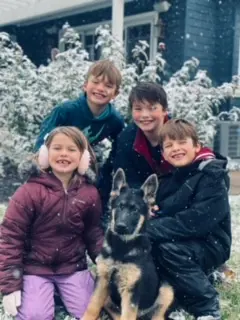
Sometimes owners do not have a perfect setup. Maybe the dog spends part of the day in a yard, maybe there is a farm routine, or maybe outdoor time cannot be avoided. In those cases, the goal is to reduce heat loss as much as possible.
Start with shelter. An outdoor dog house should be insulated, dry, elevated off the ground, and just large enough for the dog to stand, turn, and lie down while still holding body heat. The doorway should face away from prevailing wind, and some form of flap or wind barrier can help keep drafts down. Many experts recommend an insulated doghouse that is raised above the ground to reduce moisture and cold transfer.
Bedding matters too. The resting area should stay dry, warm, and away from drafts. Owners need to give their pets a warm place to sleep off the floor and away from cold air movement. In practical terms, that means checking bedding often and replacing anything damp right away. A shelter full of wet bedding can become almost as dangerous as having no shelter at all.
Water is another issue many owners forget. A dog cannot maintain body function well if water freezes over or the dog stops drinking because the bowl is icy. Fresh water has to stay available. Food can matter too, especially for active dogs burning more calories in winter, though major diet changes are best discussed with a veterinarian rather than guessed at.
Keep the dog dry. This sounds basic, but it is one of the biggest differences between manageable cold and dangerous cold. Snow packed between toes, wet fur on the belly, slush on the coat, and damp bedding all increase heat loss. Dry your German Shepherd after time outside, check the paws, and watch for cracks, redness, or irritation from ice melt products and salt.
Finally, shorten outdoor time and increase check-ins. When winter weather limits time outside, it helps to adjust your dog’s routine based on typical German Shepherd exercise needs, using shorter walks, training, and indoor enrichment to keep them active.
Common Winter Mistakes Owners Make
One common mistake is assuming snow-loving behavior equals safety. Many German Shepherds enjoy cold weather and will happily run through snow, but enthusiasm does not mean the conditions are safe for hours at a time. Dogs can be having fun and still be losing body heat faster than they can replace it.
Another mistake is focusing on air temperature while ignoring wind, dampness, and inactivity. A dog pacing around a yard in dry weather is different from a dog lying still on a cold surface in sleet. Cold ground pulls heat away from the body, and wet fur strips away the advantage of the coat.
A third mistake is thinking shelter alone solves everything. Shelter helps a lot, but it does not turn an outdoor setup into the same thing as safe indoor housing. Even with a dog house, winter conditions can become dangerous quickly in freezing rain, storms, or deep temperature drops.
Keep Your German Shepherd Safe This Winter With Help From Mittelwest
German Shepherds can handle some cold better than many other dogs, but winter safety still depends on temperature, wind, moisture, age, and overall health. The safest approach is to limit outdoor time, watch for signs of cold stress, and make sure your dog has a warm, dry place to rest indoors when temperatures drop.
Mittelwest shares practical German Shepherd care content for owners who want clear answers and useful guidance.

Julie Martinez is a German Shepherd breeder and the owner of Mittelwest German Shepherds in Wonder Lake, Illinois. She breeds German Shepherd Dogs under the “vom Mittelwest” kennel name and is listed as a breeder on the AKC Marketplace. Through her breeding program, Julie focuses on German-bred bloodlines and works with owners who value structure, temperament, and real-world working ability. She is also involved in local working-dog training through the Wonder Lake Schutzhund Club, where Mittelwest supports hands-on development such as tracking and club training.